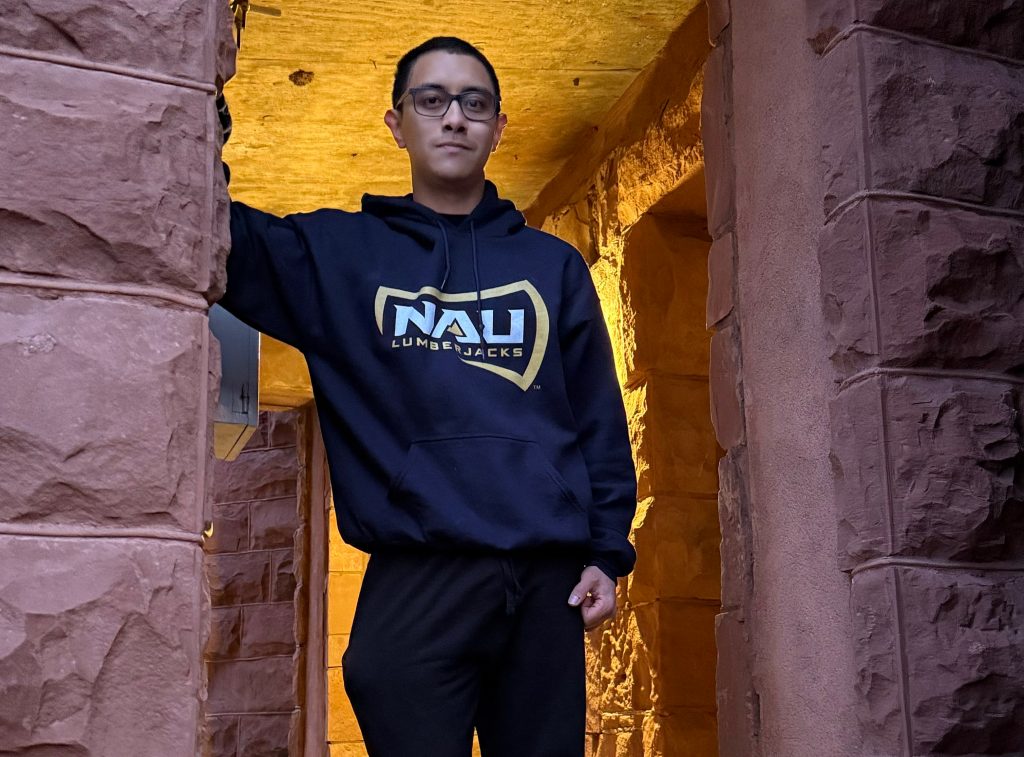


What’s it like studying abroad with a disability? Civic Gomes can tell you. A junior majoring in photography, Gomes is partially blind, but he didn’t let that stop him from participating in the program NAU in the U.K.: Psychology of Food. Over three weeks, the NAU Food Recovery Network treasurer learned about how food, identity and place are intertwined while exploring London and Canterbury. Learn more about what Gomes loved most about the program, how he funded his experience and how it felt to navigate London with a disability.
Where did you study and why did you choose this particular country for your study abroad program?
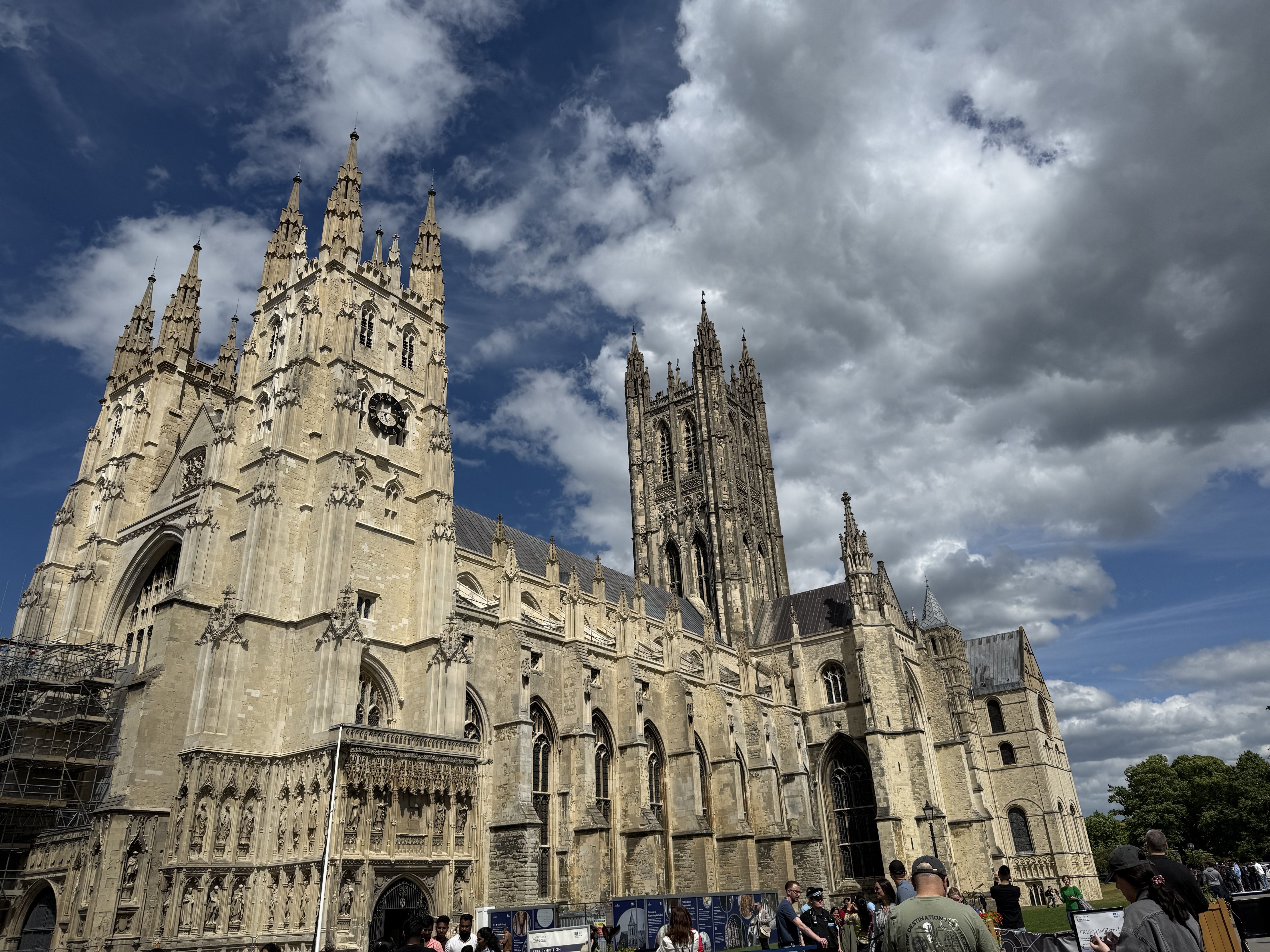
I went abroad to the United Kingdom with the Psychology of Food program. We lived in a college town called Canterbury and stayed at the University of Kent. I chose this country because it had decent disability awareness when it comes to navigation within the community and on campus. I also chose this country because I have always wanted to visit the U.K. and experience what it is like to be in another country, with different people and customs.
What classes did you complete while abroad?
I completed the Psychology of Food classes that were required while in the program, and these happened a few times a week. Each week we had different classes. The first week, we focused on the psychology of food and the self, and how food is more intertwined with how we act, present and carry ourselves from where we came from and where we plan to go. The second week, we talked about the social aspects of food and psychology. The third week, we focused on food insecurity in communities that do not have equal access to food and the same qualities as others. For example, some communities have higher-quality food and better advertisements compared to more impoverished areas that have fattening food and simple foods rather than high-quality foods. In the final week, we focused on different cultures and food. This program was only a month long, but there was a lot of information and different things that we learned within that one month.
How did you fund your study abroad experience?
My tuition and main fees were covered mainly by the Gilman Scholarship, which is offered to those who are Pell Grant recipients. A scholarship community that I was granted into after graduating high school called Panthera Edge granted another sizable portion for the tuition for the program, and the rest was funded by me and my family, who helped with what contributions they could.
What expectations or preconceived notions did you have about your chosen country? How has your experience compared to those perceptions?
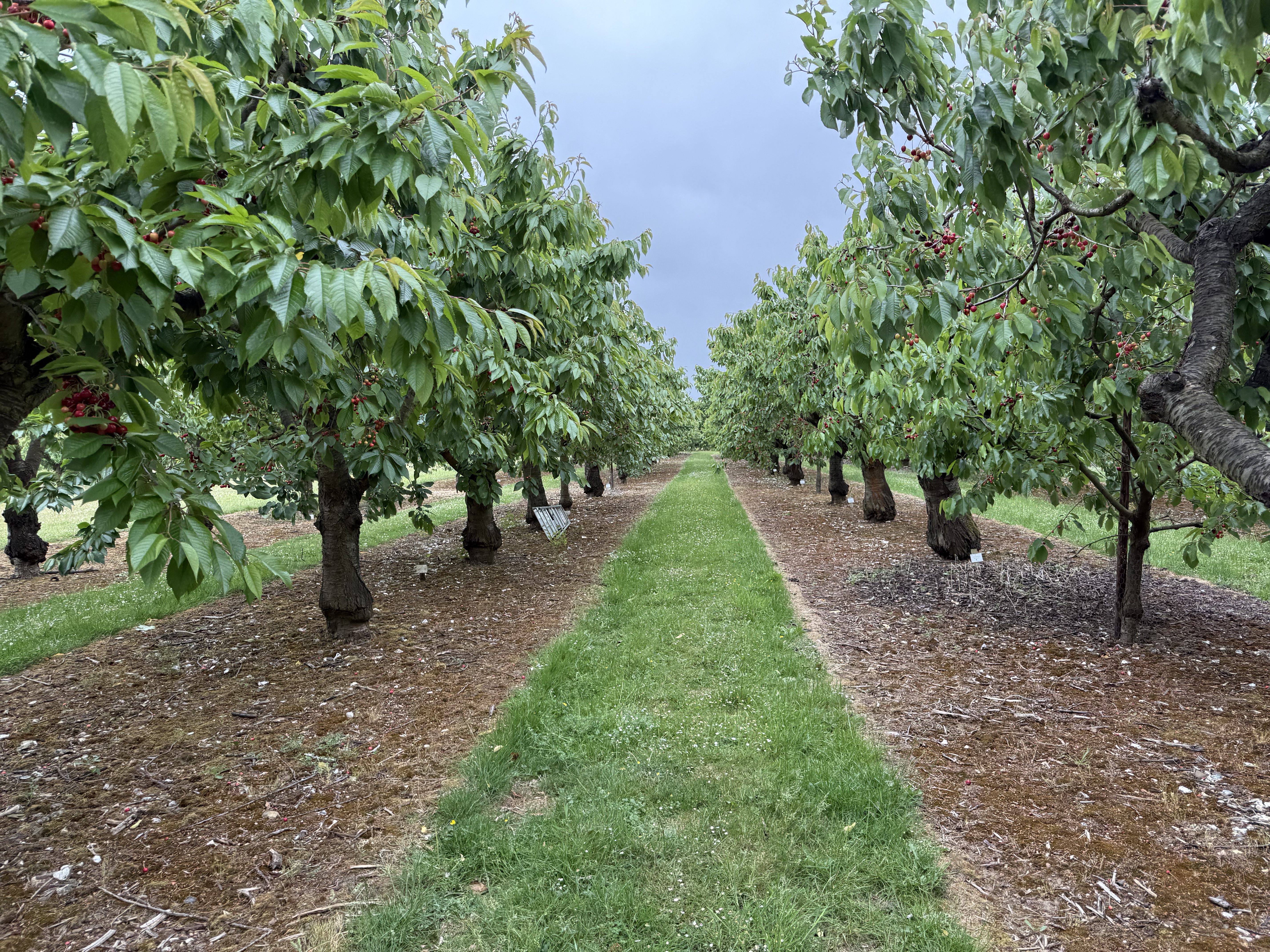
I knew a lot about the U.K. before I left and before I saw this opportunity, so I never really had expectations about it. I thought it would be hard to navigate London and Canterbury with my disability, which is being partially blind. Going there and experiencing all I was able to; my expectations were both exceeded and also proved right. For instance, the University of Kent was more than prepared for someone with a disability by their effort in helping and the way the campus was laid out. The security office gave me a pendant that I carried with me, and that pendant was linked directly to them in case I needed assistance or an emergency. The university also had very well-kept sidewalks and concrete for the most part, and most buildings had operational automatic doors and elevators. Some public areas were both easy and difficult to navigate since they have narrower sidewalks or simply uneven ones due to them being built primarily from bricks and cobblestone. Some public buses don’t verbally announce the stops, so that is difficult to manage if you are unfamiliar with them. The city of London is hard to navigate because of how busy it is and how many things are going on at once.
What was your language-learning process, if any? Can you tell us about a humorous language-related situation you encountered?
There were not really any language learning barriers I went through apart from the accent and the terms for some things. It was funny listening to other students try to mimic what they heard and hearing how different it sounded. It was also funny to observe how the language of English changes based on the area. The language is the same, yet different.
Tell us about your favorite—and least favorite—dish abroad.
My favorite dish is a traditional English breakfast, which may be generic, but it is a well-rounded, full, hearty meal that keeps me full. A least favorite dish would be the tap water, which was warm and had a more “thin” taste. When water is cold, to me it tastes better and feels “thicker,” making it more satisfying to drink.
How has this study abroad experience influenced your personal, academic and career goals? Has it opened up new possibilities or changed your direction?
This changed a lot of how I valued myself and my abilities because. I was very hesitant about this program before I left. By traveling abroad alone and navigating a city and country myself, I surpassed my personal goals. I also achieved my academic goal of going abroad. These two goals, while small, play a big role in building a better version of myself through my work ethic and my way of carrying myself. This program allowed me to gain many experiences and abilities to talk to other people in different places.
For more information about study abroad programs and funding at NAU, visit the Study Abroad website.
Jill Kimball | NAU Communications
(928) 523-2282 | jill.kimball@nau.edu