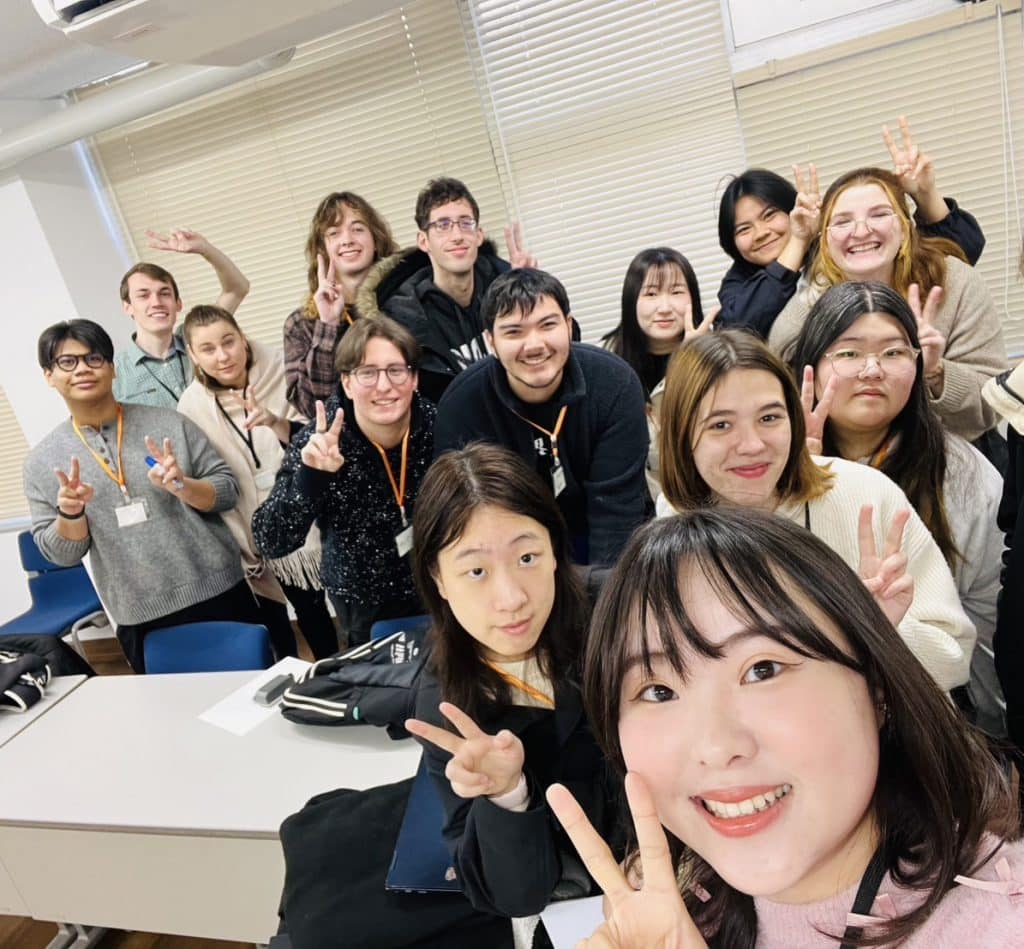


Jaidyn Thompson spent two semesters in Yamaguchi, Japan, where she not only learned to master the language but also got the opportunity to conduct research with a radio telescope, renewing her love for astronomy. Thompson’s experience abroad made her realize important things about herself and her culture, widening her views of the world.
Where did you study and why did you choose that country for your study abroad program?
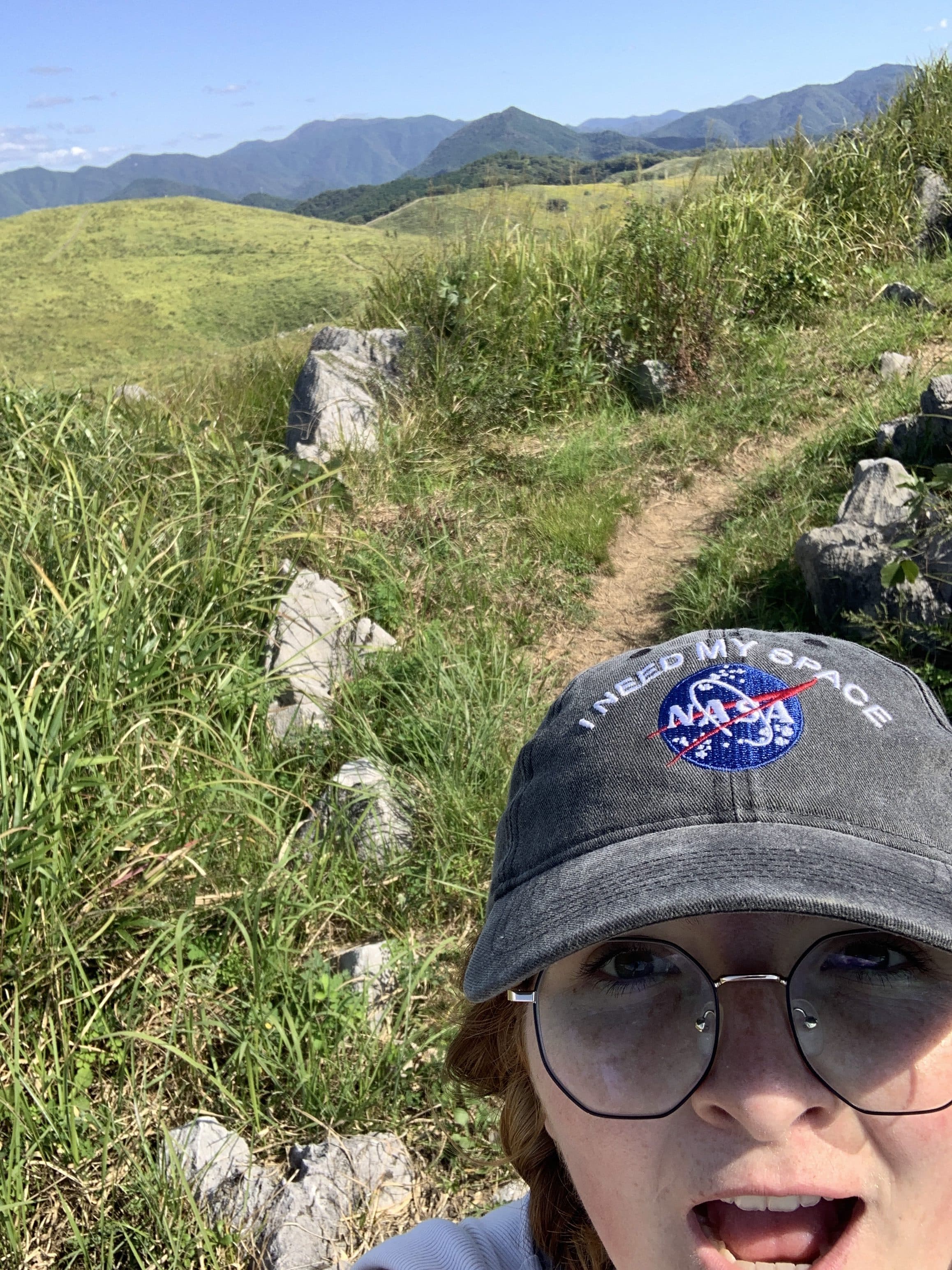
I had the opportunity to study at Yamaguchi University in Yamaguchi prefecture, Japan. Because I am a student in NAU’s Interdisciplinary Global Program (IGP), I was able to complete a dual degree in any language, along with my physics and astrophysics degree. Out of all of the schools in Japan, I chose to go to Yamaguchi because it offered a unique experience to conduct research with their astrophysics department using the Yamaguchi University Radio Telescope. Additionally, the countryside was able to provide me with a glimpse of life outside the bustle of Tokyo or Osaka, which many travelers don’t get the chance to truly experience.
 What class(es) or research did you complete while abroad and for how long?
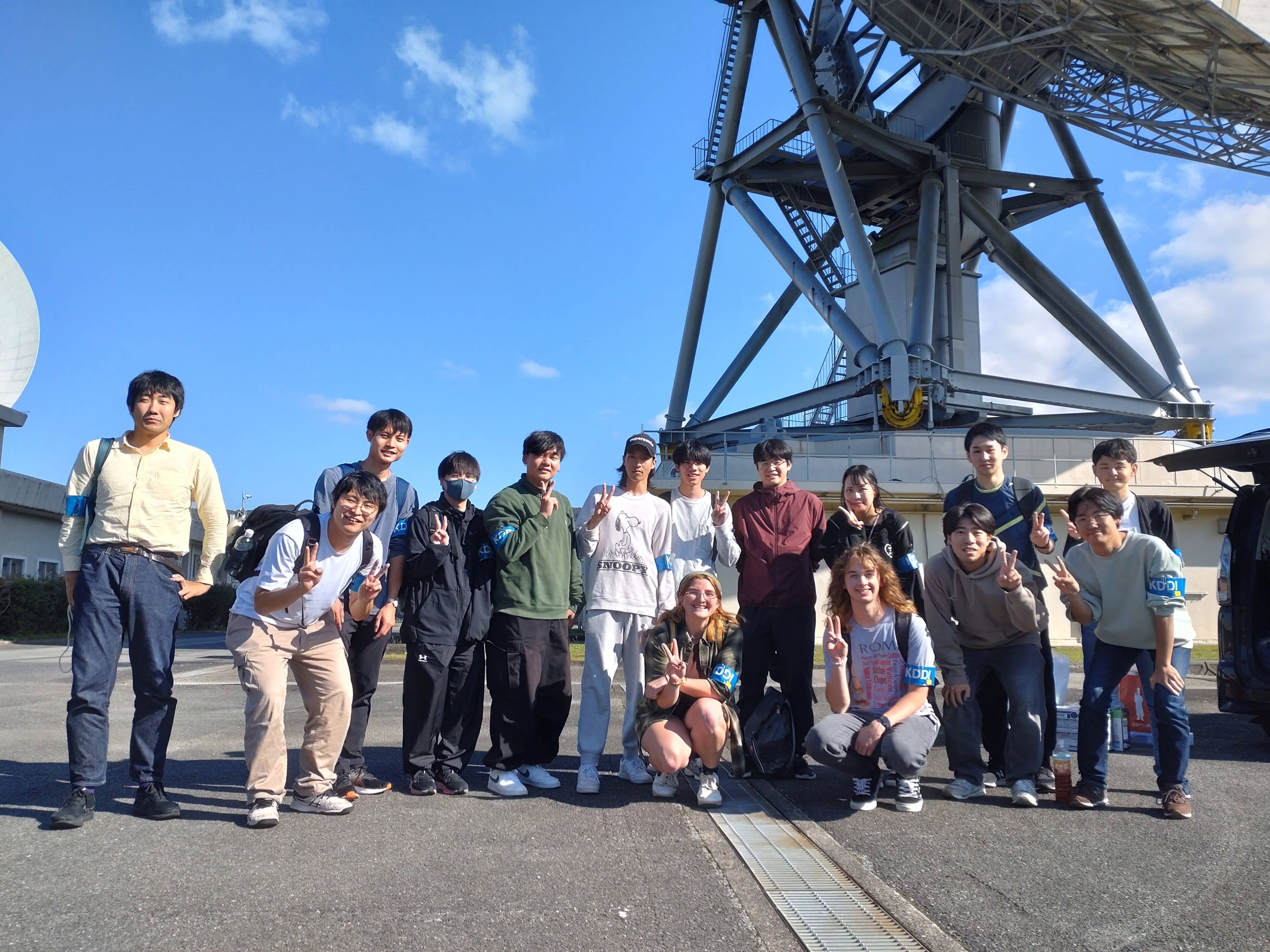
I went to Japan through IGP and was able to not only take classes while abroad but also participate in a research internship at my host university, causing my study abroad experience to last approximately 11 months. During the first semester, I primarily took Japanese language and culture classes, along with one weekly seminar class introducing me to the work we would be starting the following semester. Once the second semester began, I started my internship with the university’s radio telescope, studying the short-term wavelength variations of the binary system Algol. While conducting this research, I also continued with my Japanese classes, allowing me to fill most of my days speaking only Japanese with both international and Japanese classmates, as well as lab partners.
How did you fund your study abroad experience?
Before leaving for Japan, I applied to multiple scholarships to help with the costs of school and living abroad. On top of the Lumberjack scholarship, which carries over for the year abroad, I received two other scholarships to assist me financially, with one being specifically for students studying abroad. In addition to this, I also worked while abroad, tutoring local children in English and leading conversation groups with Japanese university students from all over Japan through Zoom.
 What expectations or preconceived notions did you have about your chosen country and how has your experience compared to those perceptions?
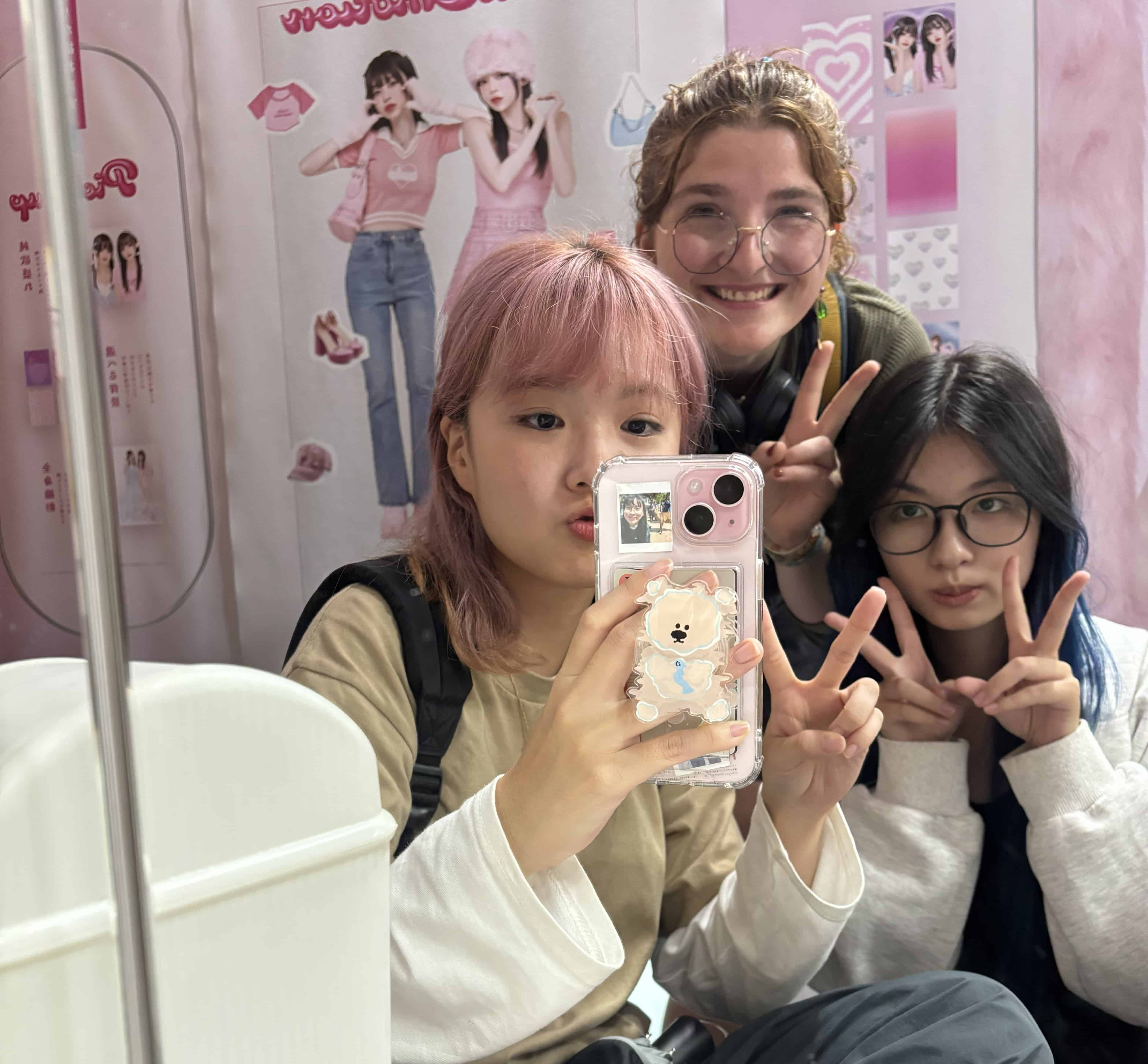
Before I first traveled abroad to Japan, I was under the impression that personal space was something greatly valued there, even more so than in America. I was told that because hugging and physical affection were not displayed as easily there, and even handshakes were an awkward exchange, this meant that you should never enter a Japanese person’s personal bubble. To an extent, this is true. However, I didn’t realize that personal space doesn’t apply when in public. Trains, elevators or even just walking on the sidewalk on a busy street, you will be up close and personal, bumping shoulders with everyone around you. Unlike most places in the United States, you don’t say sorry after shuffling into someone. It’s a normal occurrence and expected when living everyday life in a busy city, so they do away with any formalities. It’s so normalized there that when I returned to America, I was confused why people were waiting for the next elevator when it was only 75% full instead of shoving in.
What aspects of your host country do you find the most different than your home country, and why?
I think the biggest difference between Japan and America on a foundational level is Japan’s emphasis on respect for culture. Respect for other people’s space and time is very important in Japan, influencing people’s daily lives in a way that makes many things much more efficient. Not talking too loudly on trains or in public in general so as not to bother people resting, squeezing as many people into elevators so as not to waste people’s time, and even the lack of litter stems from having respect for other people and your surroundings. This is taught not only through societal expectations but even at school, as students are made to clean the school themselves every day and even occasionally cook school lunches. This sense of respect and responsibility imbued into every student couldn’t be more different than my experience growing up in America, and although it definitely has its downsides as well, it is the main reason that I was attracted to Japan in the first place.
 How has this study abroad experience influenced your personal, academic and career goals? Has it opened up new possibilities or changed your direction?
Having the opportunity to study abroad in Japan has influenced my goals in many different ways. Personally and academically, it has only increased my desire to travel to more countries and experience different cultures firsthand and more personally than just as a tourist. Since you cannot truly understand a culture without first understanding the language, this has influenced me to begin branching out from Japanese and study more languages. In a more career-oriented perspective, as a student suffering burnout from my subject major, the chance to put all of my studies into action abroad and learn more about a subject we don’t really study at school has made me rethink my decision to not pursue astrophysics after graduation and renewed my passion for astronomy.
Has this experience changed any of your personal beliefs or values?
Before my experience abroad, I had a very negative view of myself as an American, because of how divided our country is, how many problems it has and the image I know other countries have about Americans, especially as tourists. I was honestly ashamed of my nationality. Additionally, I felt like I was lacking the culture that people of other nationalities seem to have, with the most American cultural festivities I could think of being the Super Bowl and the Fourth of July. However, going abroad and not only hearing the perspectives of people from Japan and elsewhere, but experiencing living in another country firsthand as a resident and not just a tourist, was eye-opening for me. Hearing that people around the world had negative opinions of their own country and continuously looked at most other countries’ more positive traits helped me realize that just because I only see the good parts of other countries doesn’t mean they don’t have just as many issues as we do. It also helped me realize that just because we’re a young country born in the age of revolution and we don’t have ancient history and myths tied to our identity, it doesn’t mean that our culture is nonexistent.