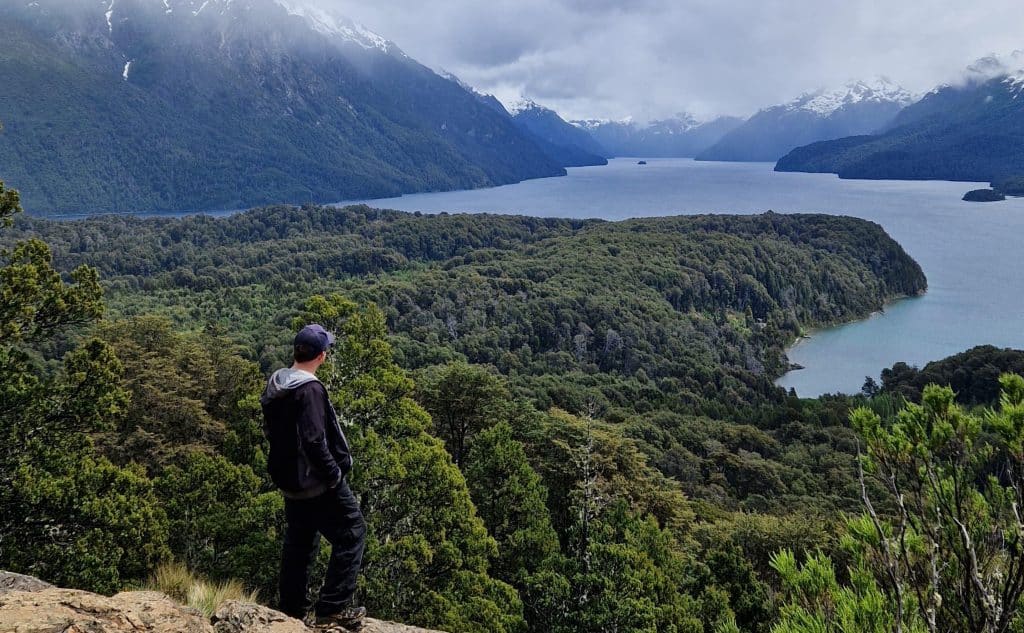


Ben Steller completed his last year at NAU through the Interdisciplinary Global Program in Chile. While abroad, this environmental and sustainability studies and modern language major with a minor in mathematics learned about history, culture and how to travel on a budget. Learn how Steller’s life-changing experience has now transformed his plans for the future.
Where did you study and why did you choose this country for your study abroad program?
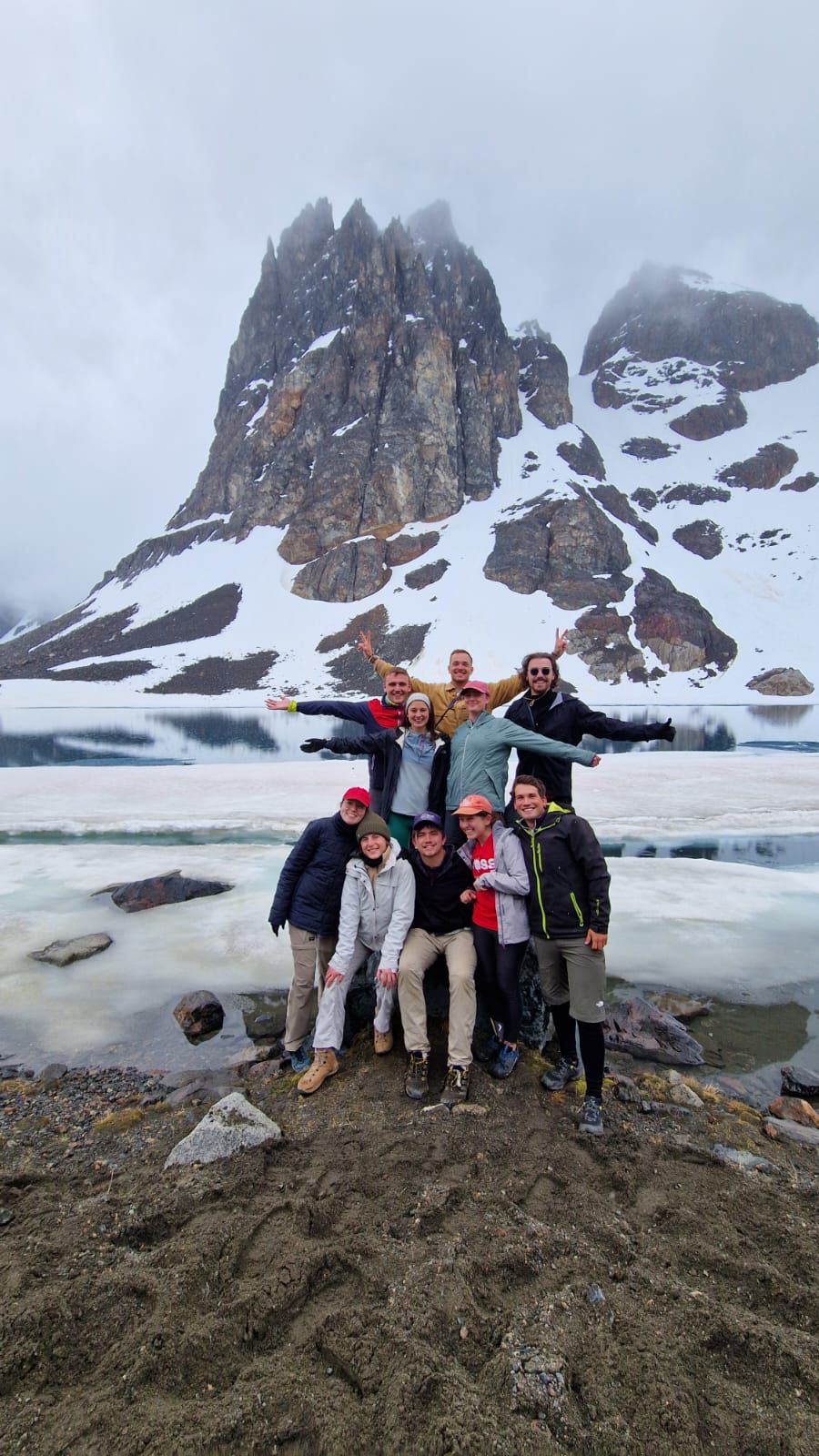
I studied abroad for a year in Concepción, Chile. As someone in IGP studying Spanish, my options were between Mexico, Spain, Ecuador and Chile. I choose Chile by process of elimination and because of my interest in Chilean nature and history. I didn’t want to go to Spain because language is important to me and I didn’t want to have people speaking to me in English all the time. I also wanted to leave the continent, so that eliminated Mexico. Then, between Ecuador and Chile, I decided that I am just more interested in the sociopolitical history of Chile as well as its natural beauty, which is very important to me. I wanted to see the Andes and the Atacama Desert and above all, Patagonia.
What class(es) or research did you complete while abroad?
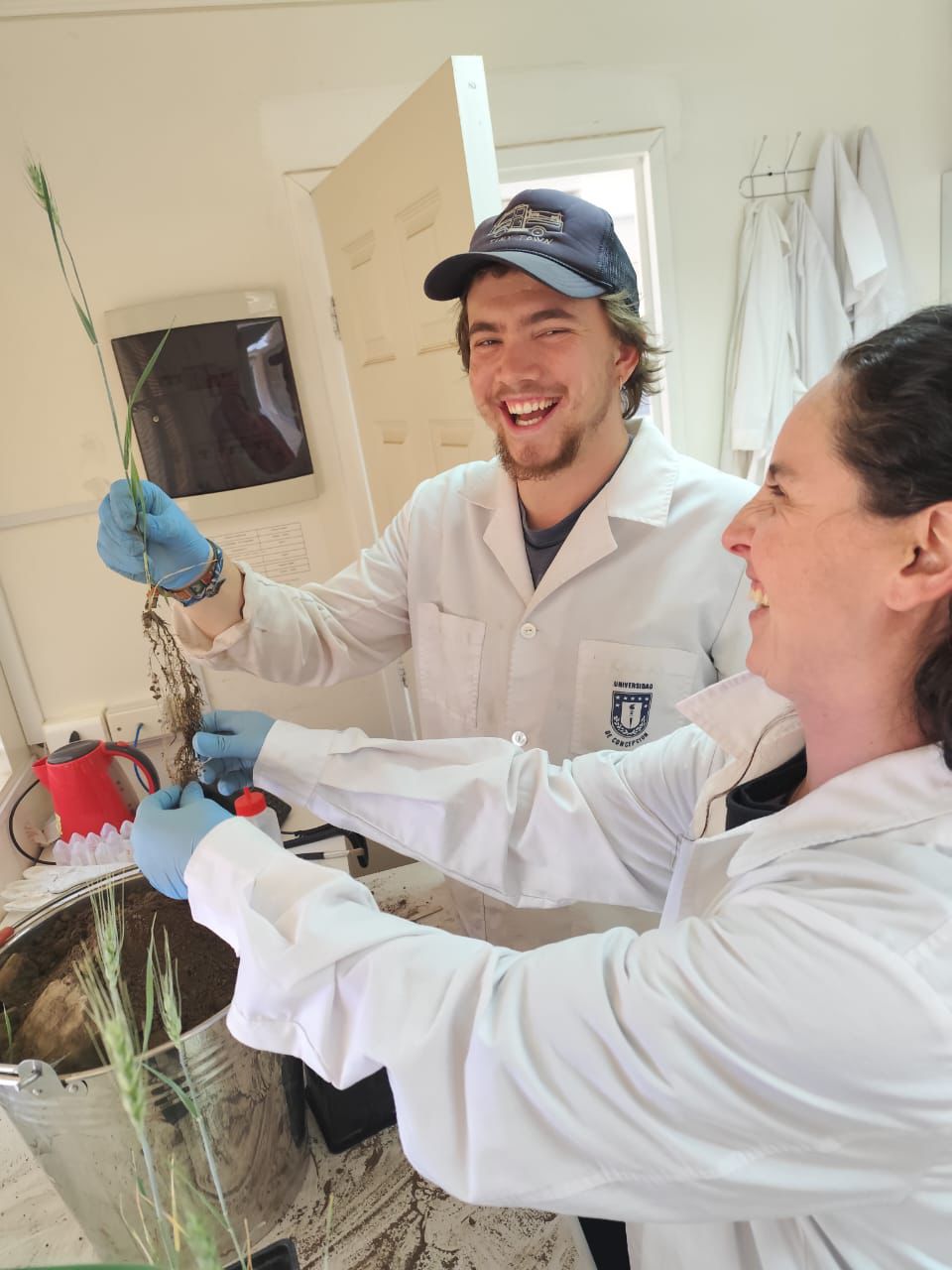 My year in Chile was divided into a semester of classes and a semester of a lab-based internship. During my first semester, I attended their equivalent of a college of agriculture, where I took three different classes: spring crops, viticulture (the study of grape cultivation and subsequently wine) and floriculture (the study of flower growth and flower markets). In a different college within the university, I took a Spanish class geared toward international/exchange students. In my second semester, I completed an internship in a soil lab at the campus Biotechnology Center. My semester working there consisted of helping out on a few different projects, serving in the role of a lab assistant. During my time, I spent a few weeks helping out one of the post-graduate students studying the impact of bacterial inoculations of soils as a means of increasing soil nutrient levels in place of traditional fertilizers. I also helped on a project with a student completing her bachelor’s thesis.
How did you fund your study abroad experience?
I funded my study abroad experience through a few different avenues. First, I received money in the form of scholarships from NAU. Second, I have worked 25-30 hours/week throughout my college experience and with the Lumberjack Scholarship, I was able to save up some money in the process. Finally, I did receive a small financial inheritance from my grandfather upon his passing, which I used to help fund this experience. I also incurred some credit card debt to fund the experience, which I’ve found manageable upon returning to the U.S.
What was your language-learning process? Can you tell us about a humorous language-related situation you encountered?
My Spanish language learning process began well before I studied abroad, as I had spent all of my time in college and extensive time throughout middle school and high school learning the language. But while in Chile, I was able to put together the skills that I had been learning, and after my year was up, I felt and still feel very proficient in Spanish. The process of putting those skills together wasn’t easy, though. I had to go through many different stages of being unable to quite express myself or say what I wanted to say, and I often found myself frustrated in conversations with Chileans when I could not quite understand what they were saying. I can’t think of a super-specific humorous instance, unfortunately, but I can say that I did often get confused by Chilean slang. For example, they call a traffic jam a “taco,” and when I said this to my other friends there, that there had been a “taco” on the way to an event we were at, they got confused as to why a taco would cause such a delay.
What local traditions or customs have you experienced?
While in Chile, I went traveling to the northern part of the country during Fiestas Patrias, which is a week-long party period that surrounds their national Independence Day on Sept. 18. While in La Serena, Chile, I went to a huge party called La Pampilla which is akin to a state fair except with less rides and more of a food market with large performance stages and campgrounds surrounding it. While up there, I stayed at a hostel where I left my pocket knife, which led to a different cultural experience. A friend of mine had hit it off with the owner of the hostel, and we found out he was from Concepción, where I lived. So, he agreed that the next time he came home to visit his mom, he would return the knife. When he did, I went with my friend to pick it up from his mom’s apartment, and while there, she invited us in for coffee and we got to talking. She eventually invited us to come back to her apartment for an “once,” which is most easily understood as a Chilean afternoon tea. More specifically, it is an afternoon light meal period where family and friends get together to eat something small and drink coffee and tea and chat. A week later, my friend and I returned to her apartment and she baked pizza for us and her friend and her friend’s husband. Over the course of two-to-three hours, we chatted about their lives and Chile and what we were doing there and such. To be candid, I felt very awkward at the beginning of the experience, but by the end, I felt much more comfortable and I was very grateful to have been invited to such a local experience.
How has this study abroad experience influenced your personal, academic and career goals?

More than anything else, I think that my study abroad experience has significantly expanded my interest in traveling and going abroad. Before my study abroad, I knew I loved to travel but I figured it would be one of those passions I engaged with once a year and I figured I would move back to my hometown after college. But while down there, I traveled extensively and learned about how to make it affordable. I also made friends from around the world and met my girlfriend, who lives in Germany. I am now hoping to move to Germany for my master’s program so I can be near her and countless other friends while I take time to travel.
Tell us about your favorite—and/or least favorite—dish abroad.
My favorite dish would have to be the empanada. While many countries in Latin America make empanadas, my biased opinion has led me to believe that the Chilean empanada is the best. I am a vegetarian, which is sometimes difficult when abroad. But in Chile, I could always get a cheese empanada. I grew to love them for their warmth and their delicious simplicity. They were generally served with sauces as well, which I also found quite delicious.