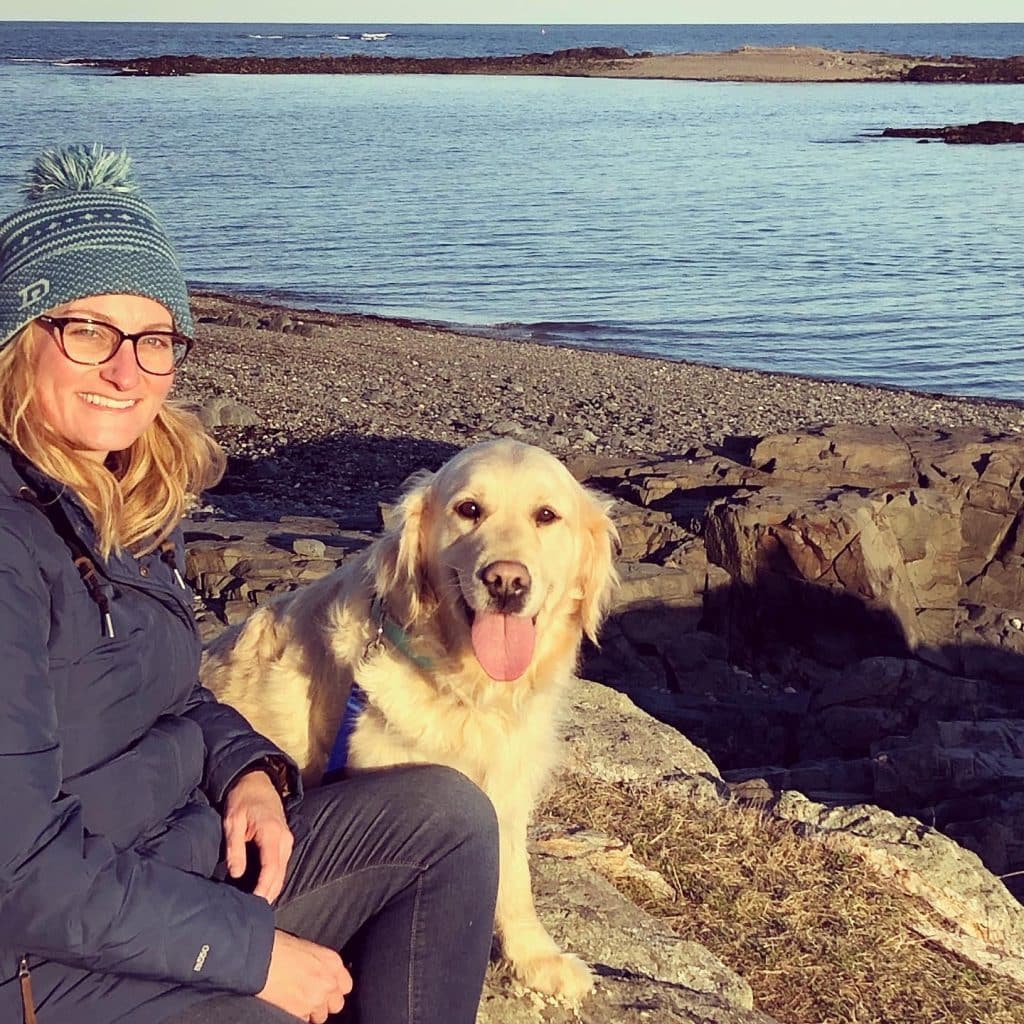


Emergencies are Whitney McKay’s job. Since joining the Coast Guard 20 years ago, her career has spanned emergency management tasks, from preparing contingency plans and running exercises to being on the ground after the Boston Marathon bombing. NAU’s new emergency manager shares the pioneering woman who inspired her passion and her artsy, tasty hobby.
What brought you to NAU?
At its core, it was a desire for new experiences. My husband and I were both born and raised just outside of Boston and spent most of our careers in the Northeast. While we loved the energy of New England, we often found ourselves escaping on weekends to the quiet woods of western Maine in search of balance. Over time, that contrast made it clear we were ready for a change.
When the opportunity to move to Flagstaff came along, we jumped at it. The culture at NAU, the proximity to extraordinary parks and wildlife and the abundance of sunshine have all exceeded our expectations. While we maintain deep roots, family and fond memories back East, we have a strong sense that this is where we’d like to be.
How did you get into emergency management?
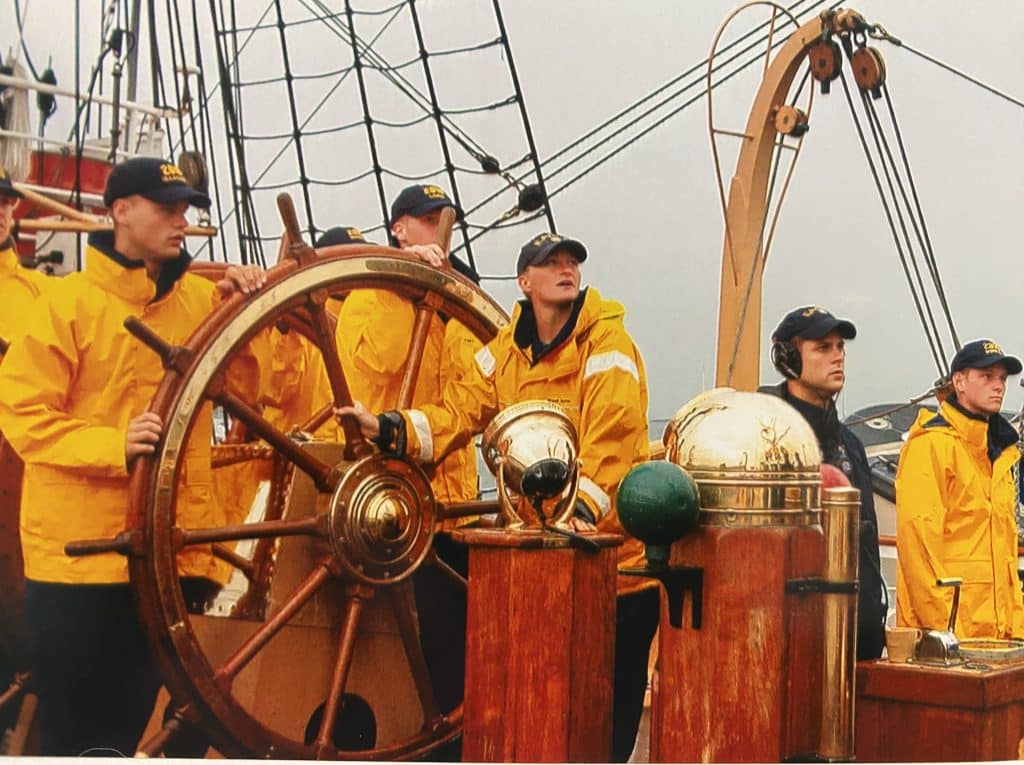 I joined the U.S. Coast Guard in 2005, where I held a variety of roles but was frequently assigned to incident management teams within Coast Guard command centers. In those assignments, I helped coordinate responses to a wide range of maritime incidents, including search and rescue operations, boating accidents and severe weather events.
Later in my career, I served as a preparedness officer, overseeing the region’s area contingency plan, which guides coordinated response actions for major marine oil spills. This role involved leading multi-agency exercises, managing training programs and maintaining ongoing planning and coordination with partners across the region.
When I transitioned out of the Coast Guard in 2014, the skills I developed in preparedness, response coordination and interagency collaboration translated naturally into emergency management roles across the state, federal and private sectors. In those roles, I supported organizations in preparing for a wide range of hazards, including flooding, pandemics, earthquakes and nuclear and radiological incidents. I also responded to real-world events, including the Boston Marathon bombing and the widespread devastation following Hurricane Sandy in New York City.
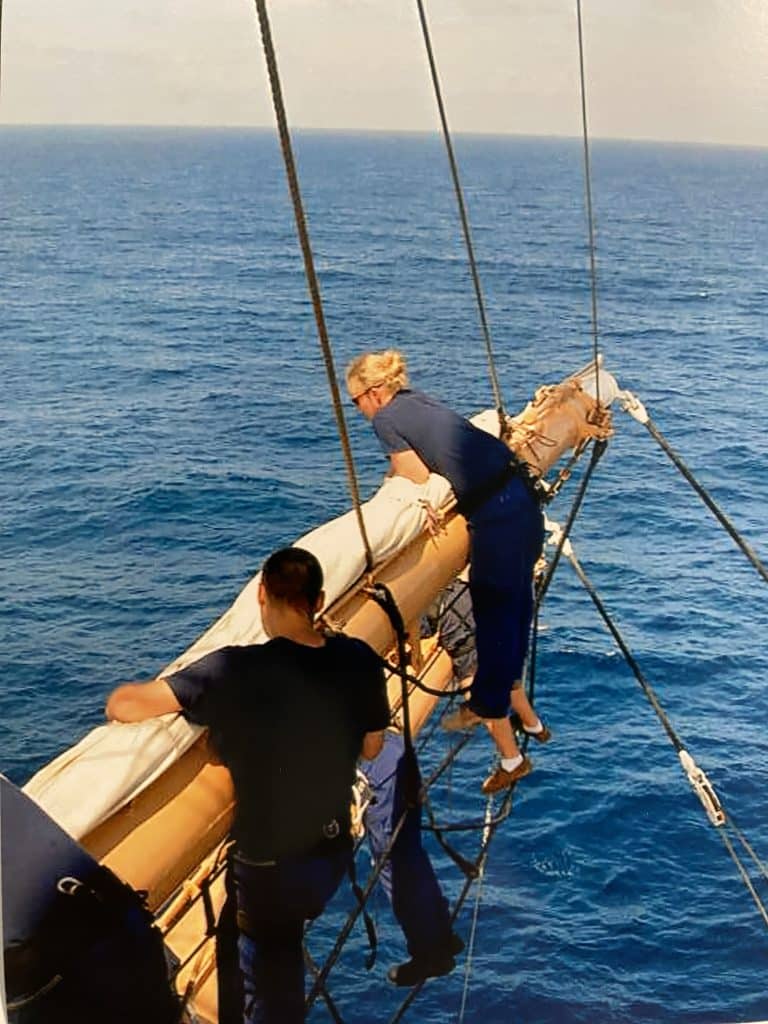 Today, overseeing emergency management programs allows me to draw on my strengths in collaboration, organization and strategic planning to help communities prepare for—and navigate—their most challenging moments.
Tell me about a day in the life of your job.
When people think of emergency management, they often picture flashing lights and tactical response, such as police, fire and other first responders in action. While that tactical response is highly visible and essential, much emergency management happens behind the scenes, at the strategic level. This includes coordination among responders and campus partners who may not be in uniform, making campuswide decisions, aligning operational activities and planning for long-term recovery.
Emergency management programs span mitigation, preparedness, response and recovery, all of which are critical to ensuring the campus is ready before an incident occurs, supported during an emergency and resilient afterward.
No two days are exactly the same for me, but many involve reviewing and developing emergency plans in close coordination with the campus Emergency Management Assistance Group (EMAG). EMAG is a cross-functional group of campus stakeholders representing multiple departments and leadership areas, and it plays a key role in guiding, prioritizing and shaping NAU’s emergency management efforts.
I also work extensively with our external partners, including the City of Flagstaff and Coconino County Emergency Management. Currently, I am participating in the planning effort for the county’s Multi-Jurisdictional Hazard Mitigation Plan, with NAU serving as a participating jurisdiction. This work helps ensure the university is integrated into broader community preparedness efforts because emergencies know no boundaries.
What is one thing people can do today to be better prepared for emergencies?
Confirm that you are signed up for, and receiving, emergency notifications and alerts.
For the NAU community, this starts with NAUSafe. Current students, employees and certain affiliates are automatically enrolled to receive emergency text messages, automated phone calls and email alerts. However, it is important to download the NAUSafe app and verify that your campus location settings are accurate so you receive campus-specific notifications. You should also ensure that your mobile and preferred phone numbers, as well as your personal email address, are up to date in LOUIE.
 In addition to campus alerts, it is equally important to enroll in the Coconino County Emergency Alerts system. These alerts provide critical information about community-level hazards, such as wildfires, road closures and National Weather Service alerts, including Grand Canyon river flood warnings. Visit Emergency Management | Coconino to sign up!
Taking just a few minutes today to confirm your alert settings can make a meaningful difference in how quickly you receive information and how safely you’re able to respond during an emergency.
Tell me about a significant childhood memory and how it has impacted your life today.
Growing up along the coast, some of my most formative memories are tied to the ocean and its beauty, power and unpredictability. I was fascinated by the way the environment could shift so quickly, from calm and inviting to challenging and dangerous, and how people who lived and worked along the coast had to respect those changes.
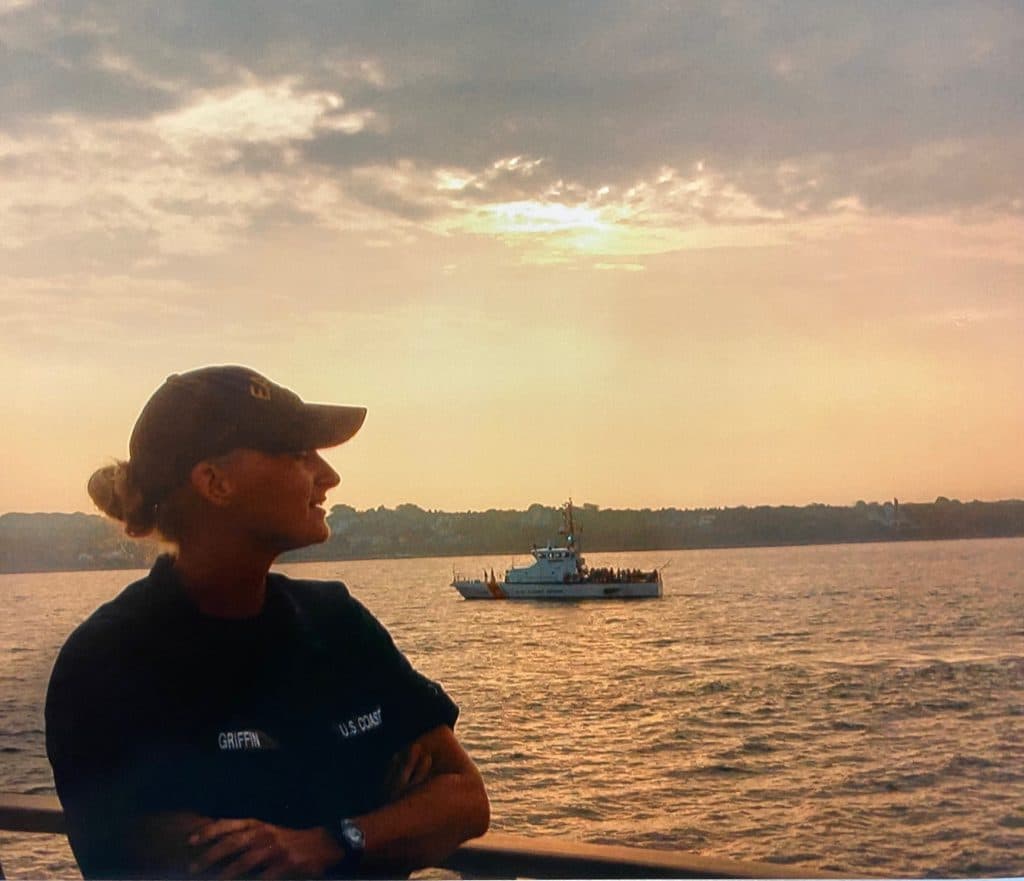
 From an early age and my time sailing in the U.S. Coast Guard, I learned that this environment required awareness and preparation. Weather, tides and conditions mattered, and planning ahead wasn’t optional—it was part of everyday life. Those early experiences shaped how I think about risk, decision-making and responsibility.
Today, that perspective carries directly into my work in emergency management. The ocean taught me that preparation isn’t about overreacting; it’s about being deliberate, informed and ready so that when conditions change, you can respond confidently and effectively.
What did you want to be when you grew up?
I always knew I wanted a career in service, influenced by my family’s long history of serving in the U.S. military. My paternal grandmother was one of the first women to serve in the U.S. Marine Corps, and she was deeply proud of her service as a staff sergeant during World War II. I believe her example left a lasting impression on me and shaped my desire to serve others in a meaningful and impactful way.
What is your favorite way to spend a day off?
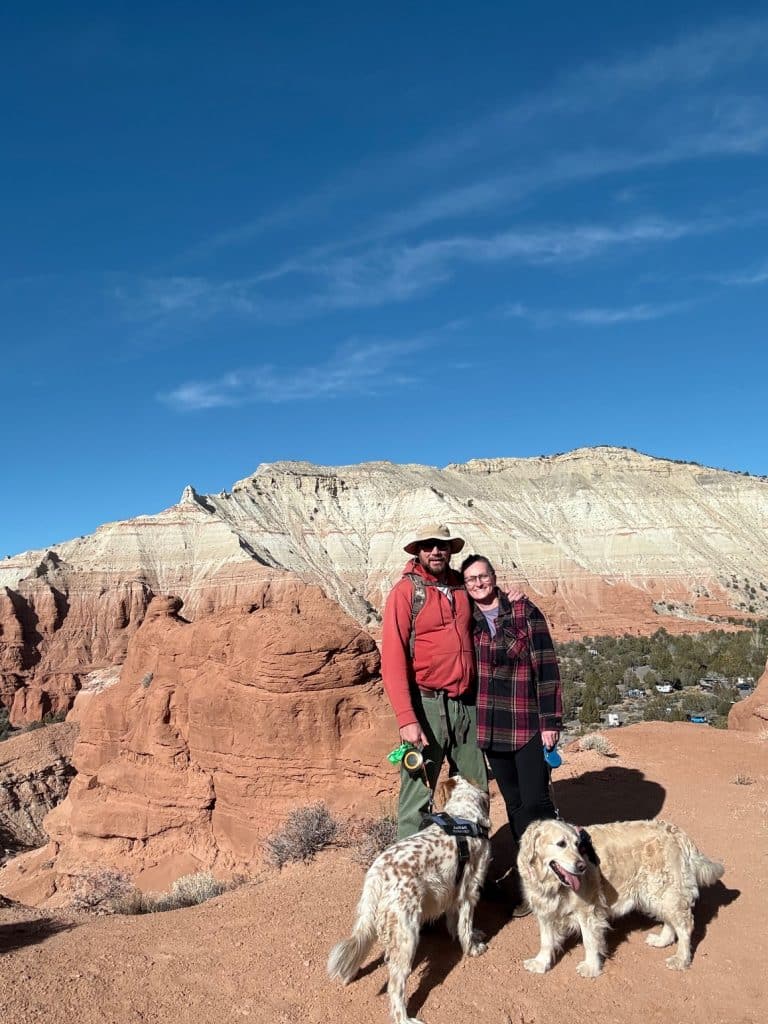
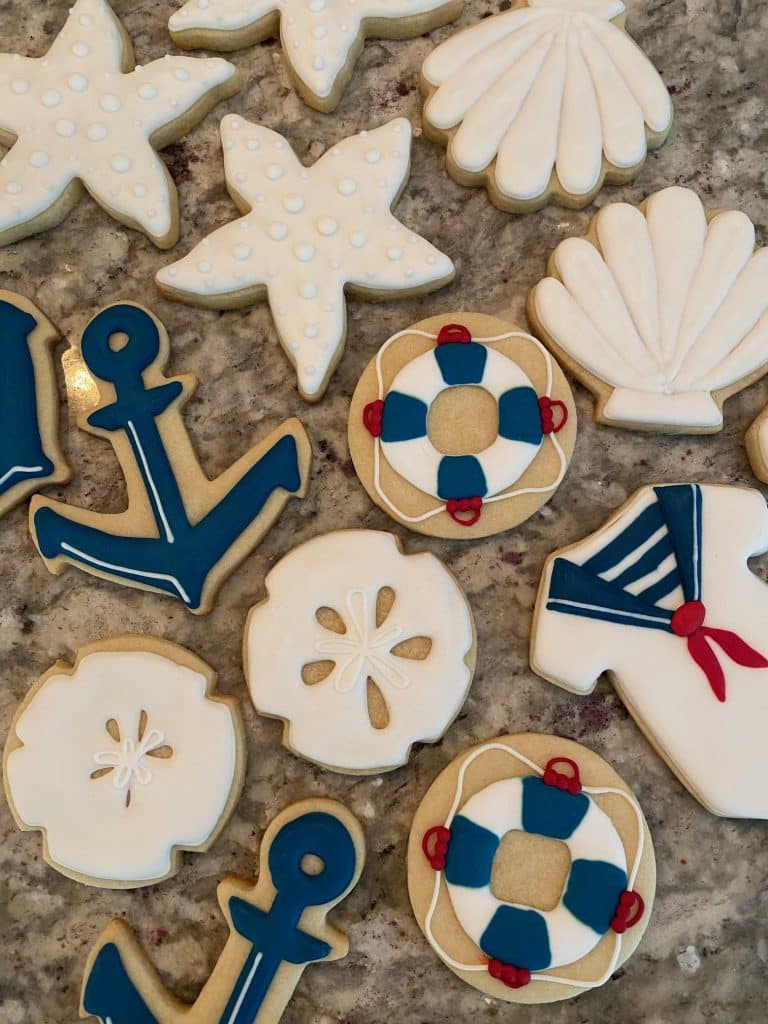 I love spending time outdoors, hiking and exploring with my husband and our two dogs. When I’m not on the trail or in the camper, you’ll often find me in the kitchen baking, especially decorating royal icing cookies. They’re beautiful little edible works of art and make fun, unexpected gifts for friends and family.
What are three items on your bucket list?
- Spend New Year’s Eve in Edinburgh, Scotland
- Hike Humphreys Peak
- Build a leading emergency management program at NAU