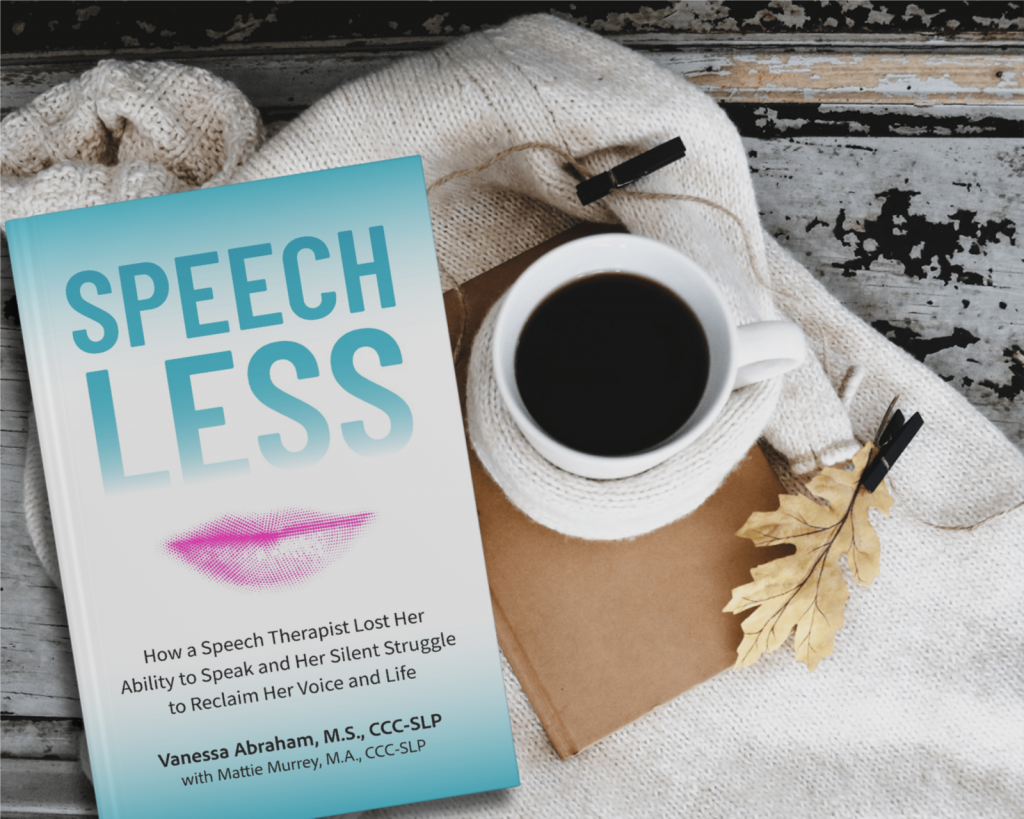


Six years after graduating from NAU, Vanessa Abraham was in the ICU, fighting for her life against a debilitating illness. She survived but then faced another fight against the trauma that comes from an ICU stay. Learn how she moved through these difficult challenges, the book in which she pours out her story and how she wants to celebrate the anniversary of her survival.
What brought you to NAU?
I attended NAU during the summers when I attended the summers-only program in communication sciences and disorders (CSD) program. I graduated in 2013. At the time I lived in Phoenix, so it was an easy commute and while I attended the summers-only program I was able to live with my aunt and uncle and that provided a safe loving home for me to live in during my stay.
What are you doing now for work?
I work as a school-based speech pathologist and own my own rehabilitation practice called Aneu Healing. I am a certified Neufit practitioner and use my skills as a Neufit practitioner to help others recover from neurological disorders. I am also a speaker, where I speak about the effects of medical trauma inflicted on ICU survivors with a focus on educating others on Post Intensive Care Syndrome (PICS).
Tell me about the medical event that started this journey.
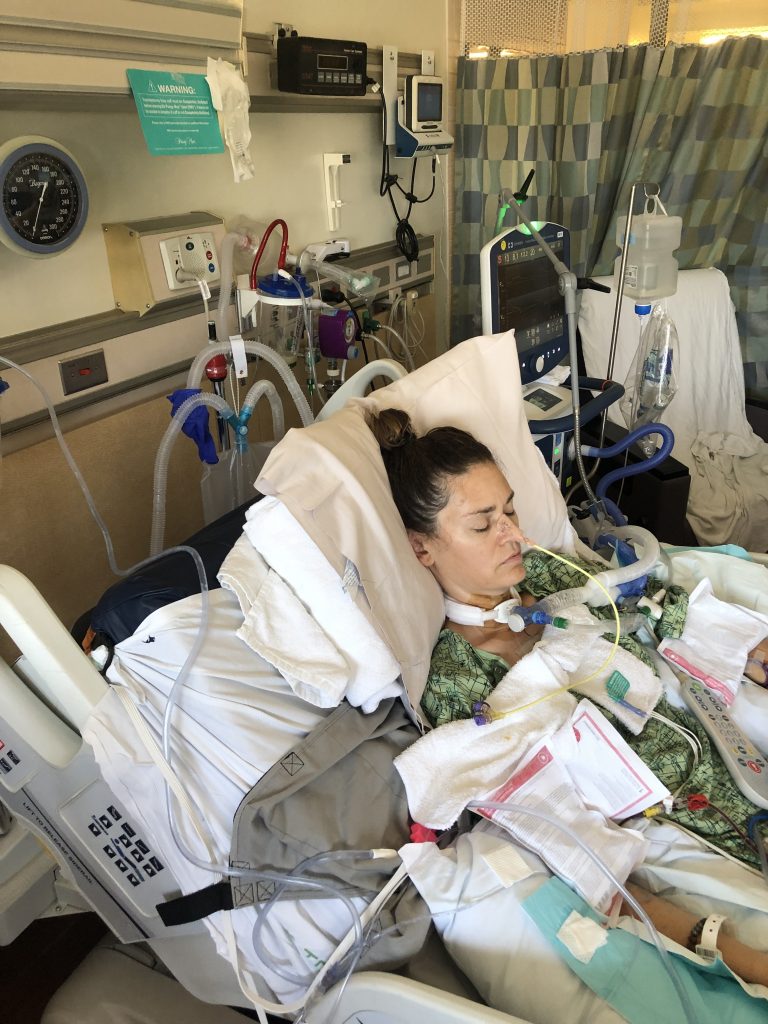 In 2019, my life took an unexpected and dramatic turn when I acquired a serious illness that left me paralyzed and dependent on life support. At the time, I was a healthy, vibrant mom to a young toddler, balancing the demands of a full-time job as a speech language pathologist with the joys of motherhood. Suddenly, without warning, everything changed. What began as an ordinary day quickly escalated into a medical emergency, and within days, I found myself in the ICU, unable to move or breathe on my own. The illness robbed me of the ability to care for myself and my child, forcing me into a prolonged battle for survival. The physical toll was immense, but the emotional and psychological impact of being unable to interact with my family or hold my child was almost unbearable. What should have been a time of growing with my toddler, watching milestones and sharing the experiences of motherhood, instead became a time of struggle, fear, and uncertainty as I fought through the battles of PICS. Through this challenging period, I faced not only the fight for my life but also a profound shift in my identity and what it meant to be a mother, wife and SLP.
Tell me about your book.
I was fortunate to survive and ultimately regain much of my independence, but the emotional and mental impact of my ICU stay, though less visible, proved to be just as profound as the physical challenges I faced. Many people who survive critical illness—whether they are patients or their loved ones—are unaware of the psychological toll that an ICU stay can have. This invisible aftermath is what I now understand as Post-Intensive Care Syndrome, a condition that affects not only the patients but also their families.
PICS encompasses a range of psychological and cognitive challenges, including anxiety, depression, post-traumatic stress disorder (PTSD), memory issues and difficulties in concentration. For me, the depression and anxiety that followed my time on life support were startling, as were the emotional struggles that I didn’t initially recognize as part of my recovery. It was only through self-reflection and connecting with others who had similar experiences in support groups that I began to understand how PICS affects so many individuals, often without the support or recognition they need.
 In my book, “SPEECHLESS: How a Speech Therapist Lost Her Ability to Speak and Her Silent Struggle to Reclaim Her Voice and Life,” I aim to shed light on the psychological aspects of an ICU stay, educate the community about PICS and offer guidance for patients, caregivers and healthcare professionals. Through my own story, I hope to encourage a broader understanding of recovery that goes beyond physical healing. By acknowledging the psychological wounds that often accompany critical illness, we can create a more compassionate, supportive environment for all ICU survivors and their families.
How did your experience at NAU help you work through that challenge?
The knowledge I gained at NAU was instrumental in giving me a foundation of neurological impairments and the rehabilitation journey as a speech pathologist on the receiving end of speech therapy services.
What did you want to be when you grew up?
My original plan was to go into business, so I earned a bachelor’s degree in business administration with a minor in marketing. I quickly learned that was not for me and applied to the CSD program. Once I got immersed in the CSD program, I knew this was where I belonged.
Tell me about a significant childhood memory and how it has impacted your life today.
Growing up, my parents were the epitome of hard work and perseverance. They were both career-driven individuals who pushed themselves relentlessly, often sacrificing work-life balance in pursuit of providing for our family and ensuring our future security. While their intense work ethic sometimes meant they stretched themselves beyond healthy limits, it also instilled in me a deep appreciation for resilience, discipline and determination. I watched them endure difficult times with grace, whether it was managing a challenging job, dealing with financial stresses or navigating the ups and downs of life. Though they may not have always verbalized the importance of work-life balance, what they demonstrated through their actions was an unwavering commitment to their responsibilities. They showed me that in the face of adversity, we push forward—even when it’s hard, even when we want to give up.
When I was faced with my own battle for survival in the ICU, I found myself drawing upon the strength that my parents had modeled for me. Surviving an ICU stay is not for the faint-hearted; it takes a level of inner strength, determination and sheer willpower to push through the pain, fear, anxiety and profound social isolation that often accompany such a traumatic experience. When my body was failing, when every breath was a struggle and when the fear of not being able to return to my family consumed me, I reached deep inside and tapped into that fighting spirit I had witnessed in my parents. Their example of perseverance became my lifeline. I didn’t have the luxury of despair or hesitation; I had to keep fighting, just as they had done throughout their lives.
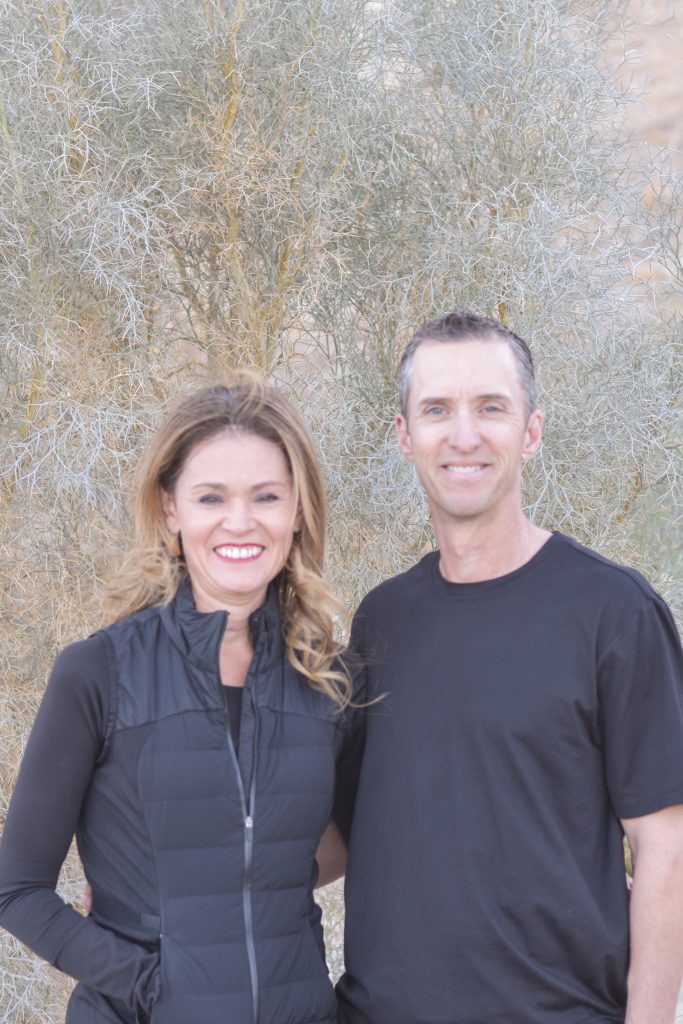 I had seen my parents face countless challenges, whether personal, professional or financial, and they always found a way to endure. That memory—of watching them push through difficult times without ever seeming to break—gave me the emotional fortitude to push through my own darkest moments. I can’t say for certain if I would have gotten through my ICU stay as I did without their example. Without their implicit teaching of endurance, strength and commitment, I might have succumbed to the overwhelming odds stacked against me.
What is your favorite way to spend a day off?
On my day off I enjoy being alone, hiking and doing something that promotes self-care in myself such as attending a sound bath class, being outside or in nature, getting a massage or immersing myself in a book.
What are three things on your bucket list?
- Reunite with friends in person that I have met through my medical journey but have never encountered in person. Many of these people are individuals in my virtual PICS support group or prayer warriors around the U.S. that were instrumental in helping me deal with the depression, anxiety and social isolation during my recovery.
- Celebrate my 10-year anniversary of my medical diagnosis by going to the Caribbean with my family.
- Attend a mindfulness/meditation retreat that is focused on health and healing treatments.