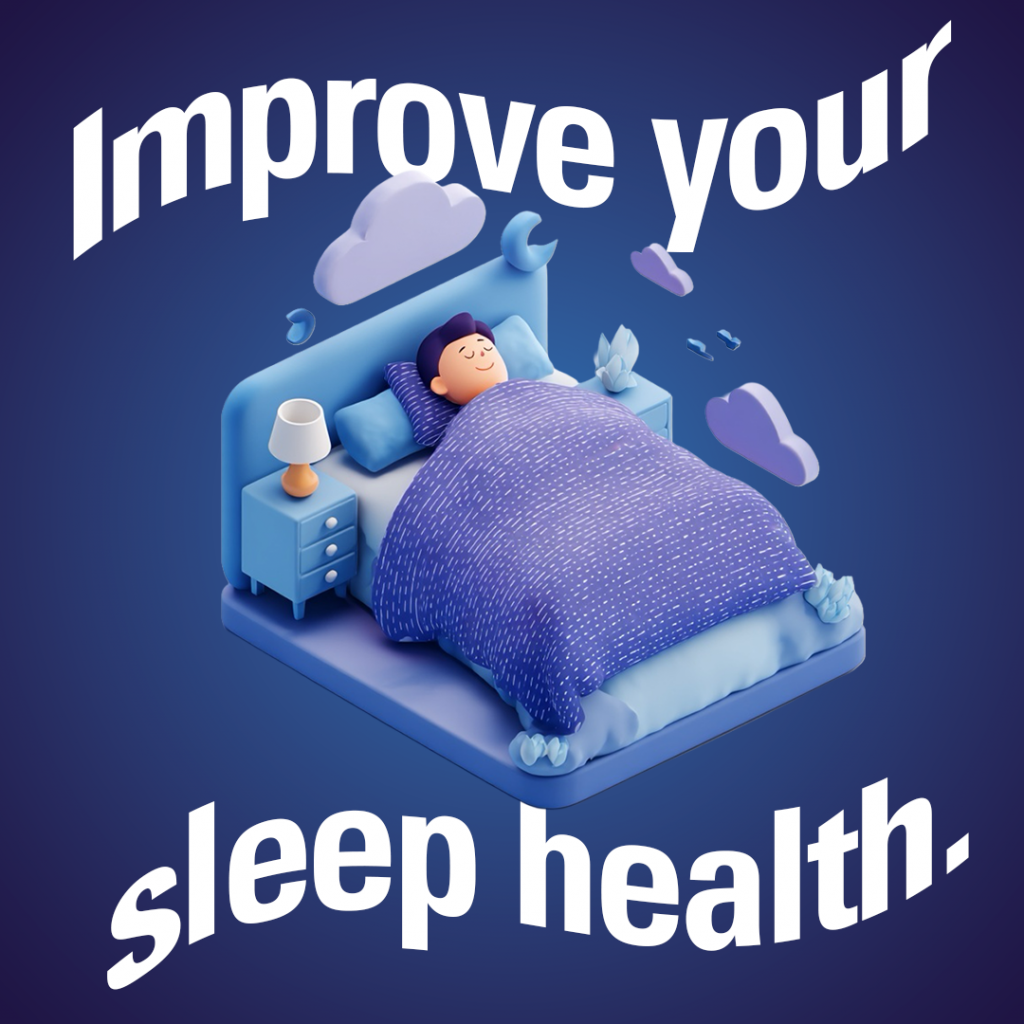


A great night’s sleep can soothe any ailment, but when the road back to your bed is paved with looming stressors, liters of caffeine and eye-burning blue light, the idea of peacefully dozing for at least eight hours can seem more like a dream than a reality.
If you want to correct your slumber habits but don’t know where to start, Campus Health Services (CHS) is here to night-light the way with sleep hygiene assessments, personalized stress coaching and easy-to-follow tips for a well-deserved rest.
“Proper sleep is essential to healthy brain and body functions, including memory, mood, metabolism and a healthy immune system,” said Mark Pico, medical director at Campus Health Services. “Frequent loss of sleep can lead to numerous health problems, so monitor your sleep patterns and address any sleep concerns with our experts at Campus Health for a healthy academic year.”
Prioritizing sleep is one of the best things students can do for their mental health and academic success. While the number of hours someone sleeps nightly is important, adopting sustainable sleeping habits can also ensure long-term health benefits.
The CHS sleep assessment helps participants reflect on their current sleeping habits and identify areas of improvement. The virtual quiz includes 13 questions about sleeping conditions and pre-sleep behaviors, using response data to give its participants a numerical sleep hygiene score. Lower numbers correspond to healthier habits, and if individuals earn higher scores, they are encouraged to engage with the plethora of resources CHS has for sleep rejuvenation.
For instance, CHS offers Path to Care appointments as the first stop for any student interested in addressing their sleep concerns. Additionally, by dropping into the Health and Learning Center’s Zen Den, students can also meet with Stress Less Coaches to learn healthy stress management skills and prevent late-night tossing and turning. Stress Less Coaches have drop-in hours on Tuesdays from 11 a.m. to 2 p.m. and Wednesdays from 10 a.m. to 5 p.m.
More information on drop-ins and scheduled appointments can be found on the Health Promotion webpage. In the meantime, follow these 10 tips to make the most out of your bedtime:
- Exercise regularly: Aim for 30 minutes of moderate activity five times per week, but avoid exercising right before bed.
- Limit naps: Try to get most of your sleep at night. If you have to nap, sticking to 20 or 30 minutes is best. If you nap longer than that, your body can slip into a deeper sleep, making you groggier than before.
- Do things that relax you: Try drawing, meditation, yoga or drinking caffeine-free tea.
- Keep a worry journal: Write down your worries and update your to-do list before trying to go to sleep.
- Avoid excessive caffeine, alcohol, marijuana and nicotine: All of these disrupt the sleep cycle.
- Avoid screen time one hour before bed: Close down your laptop, and set your phone aside.
- Establish a regular sleep and wake time: Go to bed and wake up at the same time every day. Talk with your roommates about your schedule to make sure everyone is on the same page. Sleep apps can also be helpful tools for winding down and staying consistent with bedtime. Apps like Sleep Cycle Alarm Clock, Sleep Time, Pzizz and Sleepo offer features like relaxing sounds, guided wind-downs and gentle alarms.
- Create a comfortable sleep environment: Buy comfortable bedding and a fan to help you create a relaxing, cool and dark area to sleep in.
- Aim for 7-9 hours of sleep: If you find yourself sleeping 11 or more hours a night, every night, and still find yourself tired in the morning, talk with a healthcare provider to learn more about what is right for you.
- Limit time spent in bed without sleeping: If you haven’t fallen asleep after 20-30 minutes, get out of bed and do something relaxing, like reading, stretching and deep breathing, until you feel sleepy again.