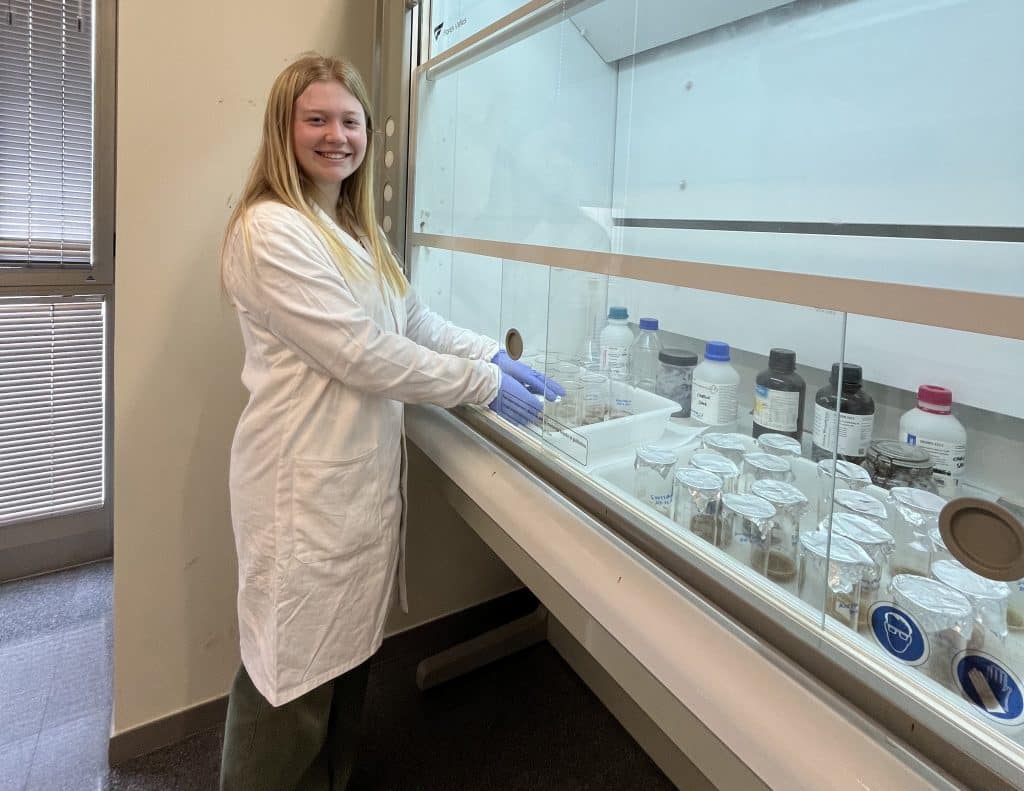


Viansa Reid put her life on hold for a year to live the experience of a lifetime. This modern language and environmental science major packed her bags and moved to Alicante, Spain, for a year to learn more about the language and work at a bioplastics lab through the Interdisciplinary Global Programs at NAU. Learn what she found most different about her host country and how she overcame homesickness.
 Where did you study and why did you choose this country for your study abroad program?
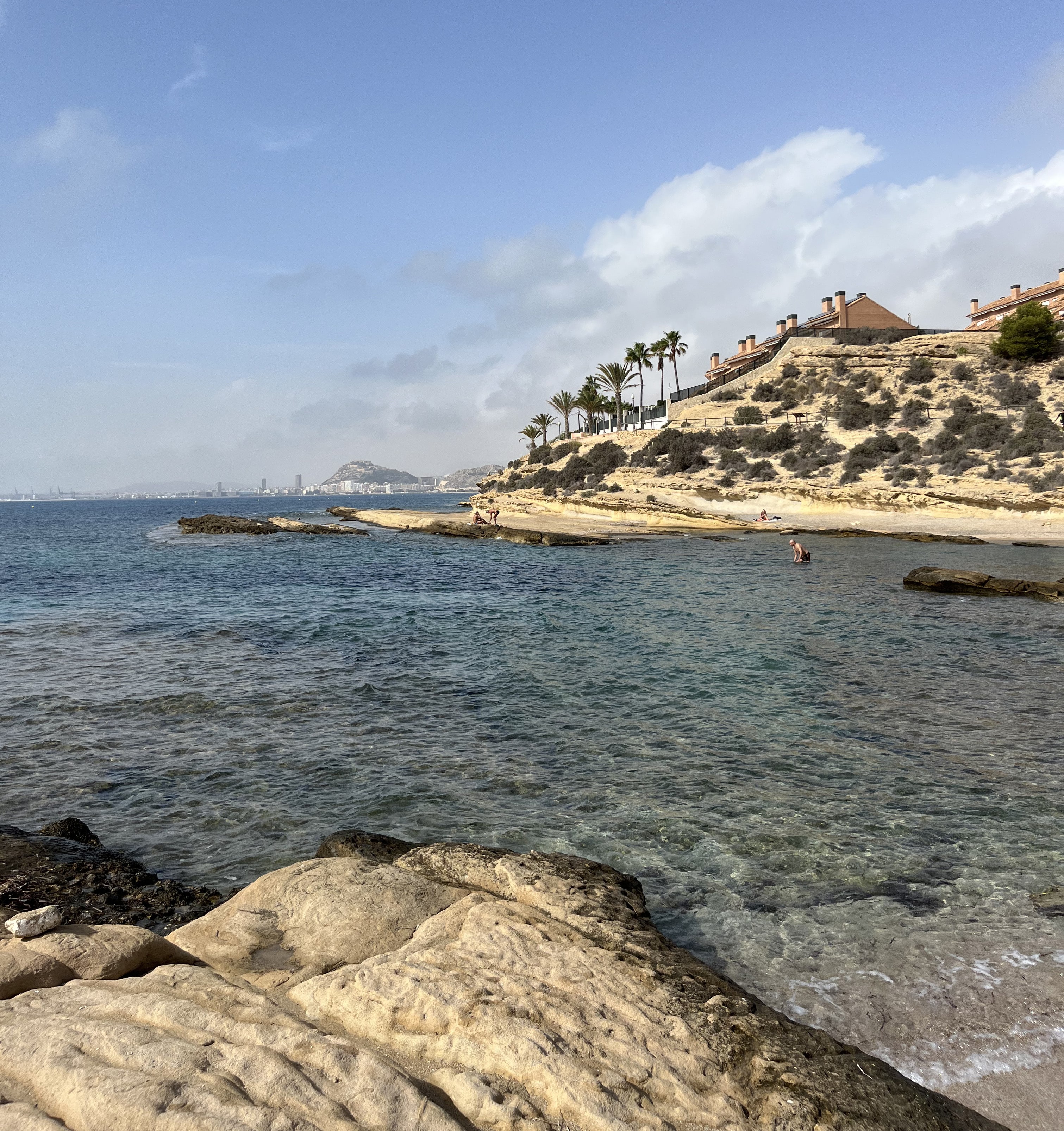
I studied abroad at the University of Alicante in Spain through the Interdisciplinary Global Programs at NAU. This program allows me to double-major in STEM and a language and is five years for undergrad, to allow for an entire year abroad. I chose Spain because it is one of the universities my program partners with. The University of Alicante had the best options for environmental science internships, which I completed in my second semester. The culture of Spain also enticed me, and I wanted to experience it firsthand.
What class(es) or research did you complete while abroad and for how long?
Because I studied abroad for an entire academic year, my first semester I took classes, and during my second semester, I completed a 540-hour internship. I took a B2-level Spanish class, botany in English and European geography in Spanish at the university, and one online class through NAU for IGP. During my internship, I worked with the Bioplastic Lab at the University of Alicante, which investigates the persistence of plastics through analyses of their biodegradation and the extraction of microplastics in soils. The Bioplastic Lab’s methodologies and projects examine soil samples from various parts of the world, test the effectiveness of biodegradation on bioplastics and assess the impact of microplastics on soil health.
How did you fund your study abroad experience?
I applied for various scholarships and received some from NAU to cut down on my expenses. The cost of living in Spain is extremely cheap compared to the United States. I paid half of what I normally do for rent, and my grocery costs were a quarter of what I would normally pay. For the rest, I took out loans like I normally did for other school years.
 What aspects of your host country do you find the most different than your home country, and why?

One of the main differences between my host and home country is the schedule in which we live our lives. For example, Spaniards’ eating schedules are vastly different; they normally don’t eat breakfast, have a small snack around lunch time, then eat their first full meal once they get home from work, generally 3-4 p.m., and eat dinner at 10 p.m. It is very common to see families with young children out and about for dinner around that time. Another difference I noticed is the social habits of Spaniards: they are far blunter and more honest than Americans. People in the U.S. tend to sugarcoat bad news to soften the blow, but Spaniards are direct and straight to the point. As I reflect, I think that statement applies to the majority of Europeans.
What local traditions or customs have you experienced?
In Valencia and Alicante, there are similar festival traditions relating to the changing of seasons. In Valencia, the festival is called Las Fallas, which celebrates the arrival of spring with brightly colored sculptures throughout the city and loud explosions throughout the day that combine satire, art and tradition. The festival in Alicante called Las Hogueras represents the summer solstice and is celebrated similarly with colorful sculptures, fireworks, music and food. The most intriguing part about both festivals is that at various times, they burn the statues! They burn them at night, gradually burning them in size order. Las Fallas is a two-day event, whereas Las Hogueras is more than a week long.
Being away from home can be challenging. How have you dealt with homesickness and maintained connections with loved ones?
Homesickness came in different waves for me throughout my time abroad. Sometimes it’s difficult to find a solution, especially when you are living in a different time zone and can’t call loved ones at a reasonable hour. I found comfort in the other IGP students studying abroad in the same city as me and in the international friends I made. It was nice to have people going through the same experience to talk to. To maintain connections with loved ones, I would text them when I was thinking about them, no matter the time difference, and set up a time to call. It is an unsettling feeling to be uprooted from your life and be placed somewhere new, but it also brings so much excitement and hope for new possibilities. Whenever I felt down, I would validate my feelings and look for something going well in my life at that time.
 Tell us about your favorite and/or least favorite dish abroad.
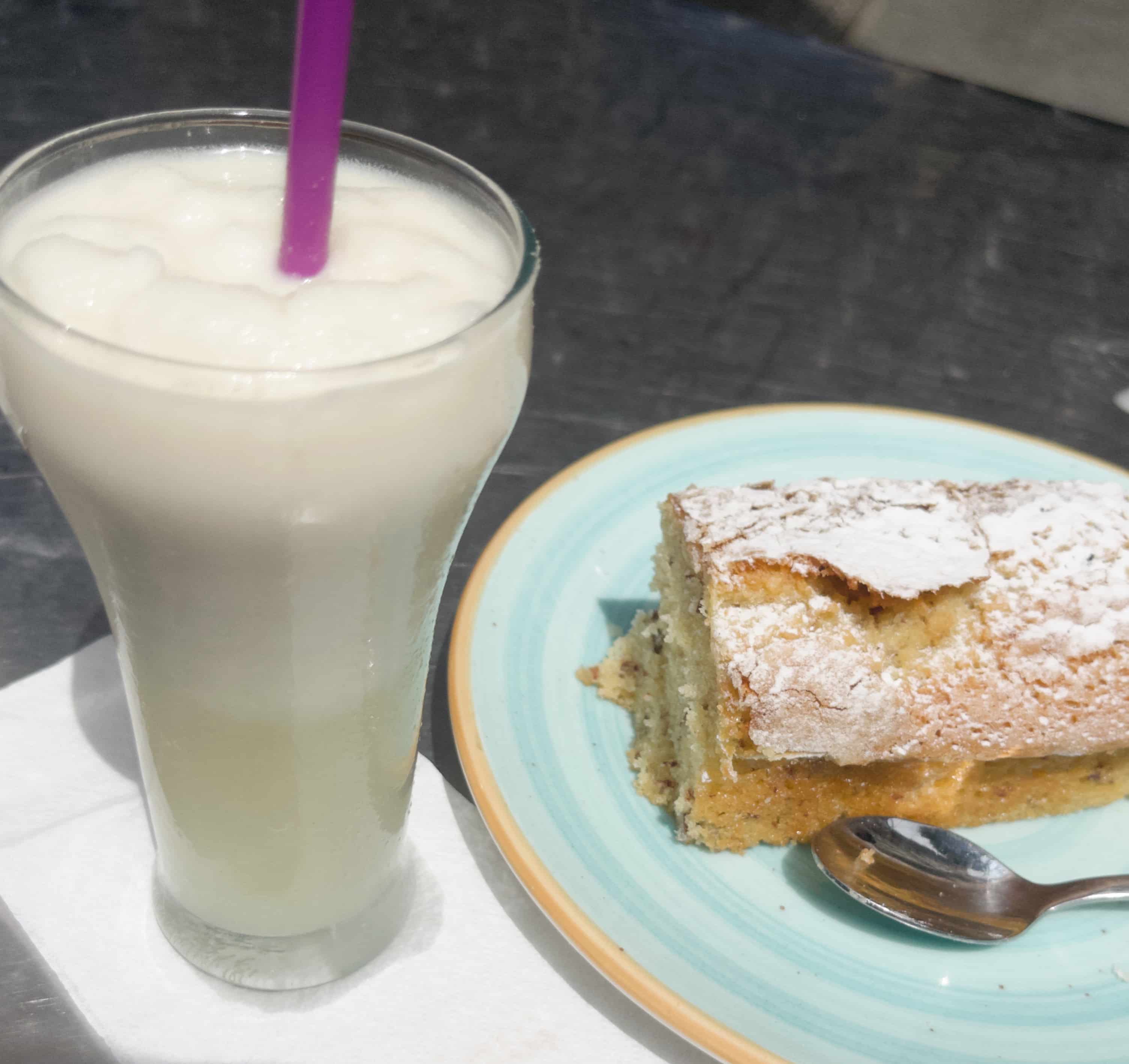
My favorite place to go in Alicante is called La Horchatería Azul, which, as you may have guessed, is a horchata shop. They make their horchata differently than the standard recipe, using tiger root instead of rice milk. You can order it “granizado,” which is similar to a slushie texture. My order would be half horchata granizado and half lemon granizado. The lemon added a tart freshness to it, so yum! They also have almond cake slices and paired with the drink is a wonderful combo. My least favorite food was during a traditional Christmas dinner when they served pickled asparagus; let’s just say I will never try that again.