

*Editor’s Note: The “Views from NAU” blog series highlights the thoughts of different people affiliated with NAU, including faculty members sharing opinions or research in their areas of expertise. The views expressed reflect the authors’ own personal perspectives.
By Björn Krondorfer
Krondorfer is a Regents’ professor of religious studies and director of the Martin-Springer Institute.
In October 2025, I was invited by Milan’s Center for Contemporary Jewish Documentation (CDEC) to participate in a one-day gathering of Italian educators and students in Rome. The day marked the beginning of a one-year program for these Italian high school students to learn about the Holocaust. The program includes a journey into the history of the dictatorships of Mussolini (Italy) and Hitler (Germany) as well as travel to sites in Berlin related to Germany’s attempt at annihilating all the Jews in Europe and beyond. The educational aim, as I understood from the organizers, would be historical knowledge but also, and importantly, engaging the students in reconciliatory memory work, awareness of human rights and interreligious dialogue.
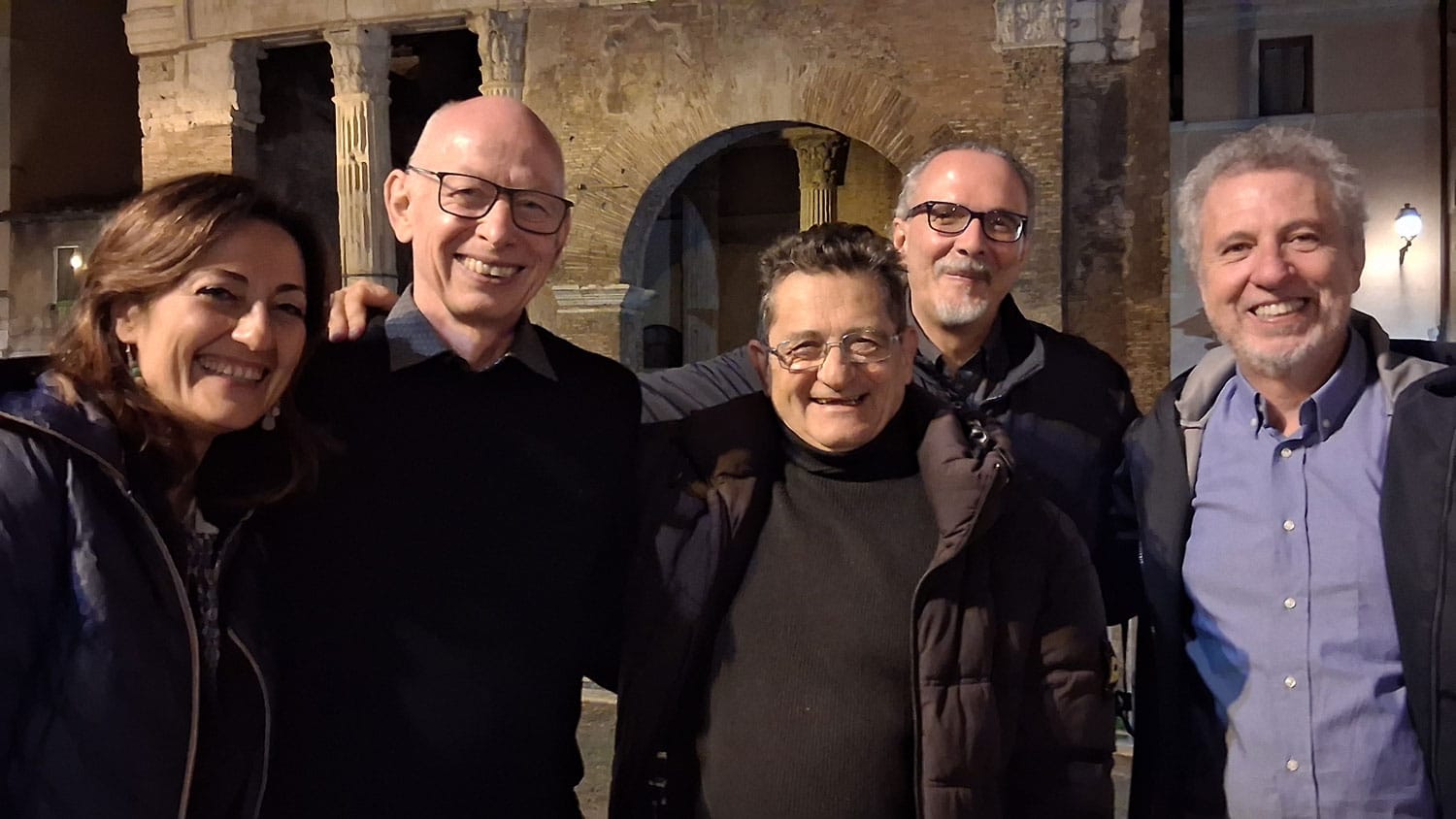
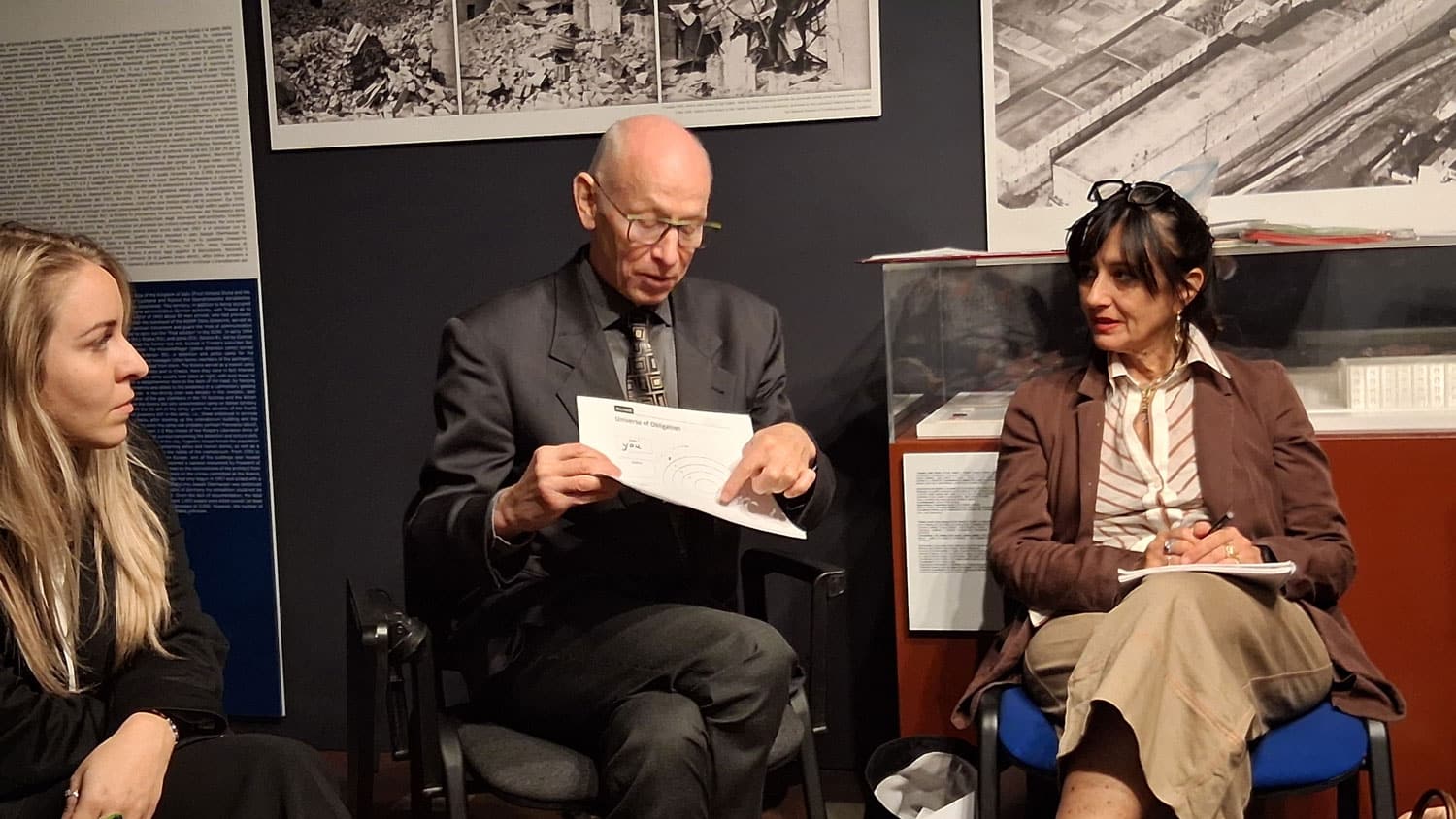
The religious dimension is a core element of this initiative, spearheaded by CDEC’s director Gadi Luzzatto Voghera. Working with students belonging to Italy’s Protestant minority (Baptist and Waldensian traditions) and Jewish students from the only Jewish high school in Rome, I was asked to present on the challenges of teaching and processing the history of the Holocaust through the lens of memory, trauma and justice. In the morning, I shared my ideas in the official library of Rome’s Senate in the presence of students, teachers and representatives of various Italian institutions; in the afternoon, I led an interactive teacher workshop at the Museo della Shoah*, Rome’s small Holocaust museum in the ancient Jewish quarter.
In my talk, I emphasized that reflecting on the tragic and deadly impact of the Holocaust—the genocidal killing of Jews and the mass murder of other groups declared undesirable—is challenging in today’s contested political environments. With the attending high school students in mind, I said, “The history of the Holocaust cannot be taught in the same way as, say, the history of Roman emperors. We may learn that Nero or Caligula might have been the cruelest Roman emperors, but we don’t really care that much. We don’t overburden these facts with moral value. It is different for the Holocaust because we are still affected by it. It is not enough to look only backward; we also need to be aware about our situation today and imagine what tomorrow might bring.”
I aimed at opening the minds of the students and teachers to the issue that the Holocaust is not merely a historical subject; teaching it today comes with moral and ethical expectations. Hence, Holocaust education, especially when it moves outside the classroom and includes field trips and meeting other people, ought to include questions about memory, trauma and justice and engage communal differences. We need not only look at how the history and memory of the Holocaust has been taught in the past, but how we want Holocaust education to look like in 2045. Why 2045? Because this would mark 100 years since the end of the Holocaust. It is a question we need to ask ourselves seriously and in a global context.
Turning to the assembled students, I said: “You are embarking on a yearlong project on learning about the Holocaust in relationship to surviving, resisting and justice, and it will connect you to the cities of Rome and Berlin, cities which symbolize the unholy political alliance between Hitler and Mussolini. What are your questions given that the world is rapidly changing? What will you tell new generations about the Holocaust 10 or 20 years from now?”
It would behoove us to listen to and invite our students on this journey.
*Read here about the Hebrew term Sho’ah and why some Jews prefer to use it over the term Holocaust.