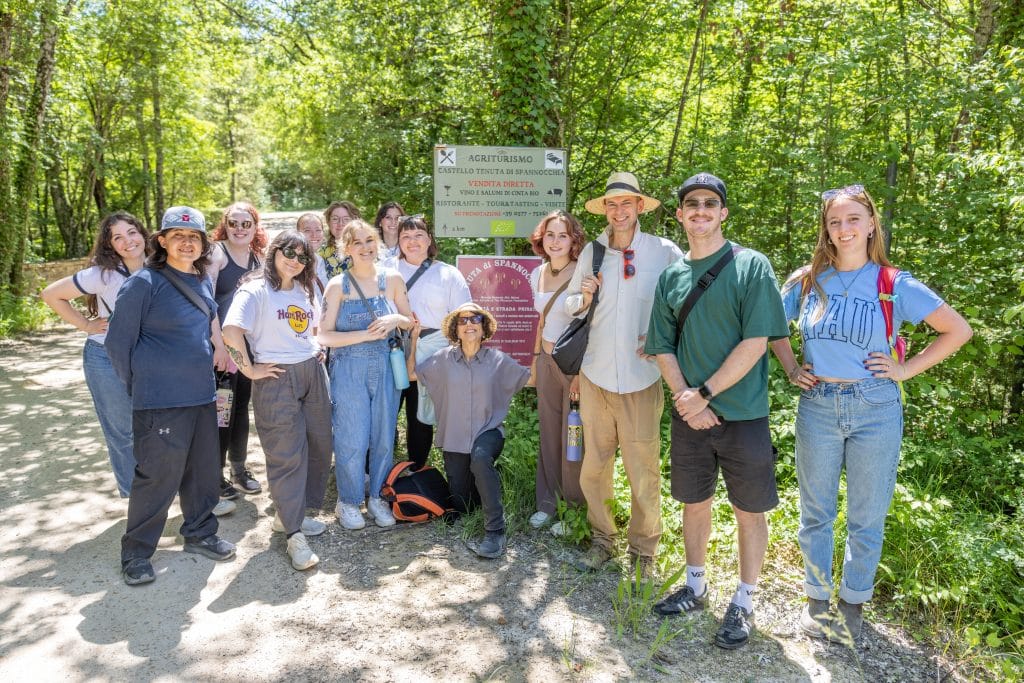


For students seeking an immersive international experience without the commitment and cost of a full semester abroad, a six-week summer program in Italy offers an ideal alternative.
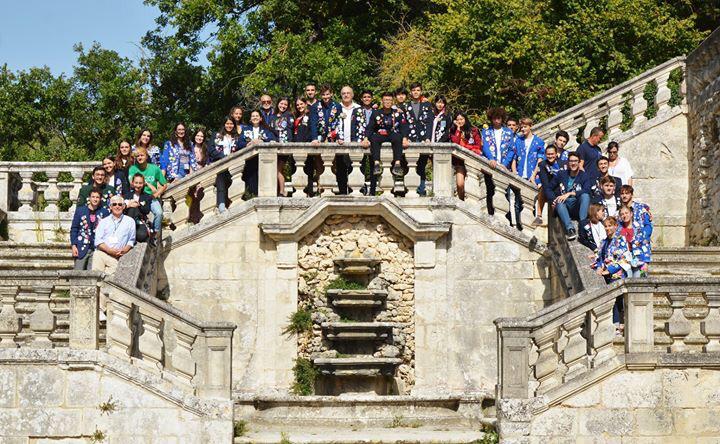
Centered on the themes of nature, culture and sustainability, this program provides a unique opportunity to explore Italy’s rich landscapes and traditions while earning six academic credits that can be applied to liberal studies, general studies, honors or field work experience.
Gioia Woods, professor and chair of the Department of Comparative Cultural Studies, has been running the program since 2013. She said the class takes a broad historical look at how Italians have approached important sustainability issues throughout time.
 “We take a historical look at the Etruscans, ancient Romans, medieval Italians and at how Italy became a unified nation,” Woods said. “We study how they address challenges to their culture and traditions, including foodways and agriculture, national identity, shifting political values and of course development in the arts. Our big question is, how have they weathered these challenges and made it possible for Italian culture to continue now and into the future?”
The course starts with reading assignments that students complete before they are Italy-bound. The group then meets in Rome, where they begin their field study along the Tiber River. They look at the environmental and mythical origins of Rome before traveling to Florence, where they study the physical environment along the Arno River.
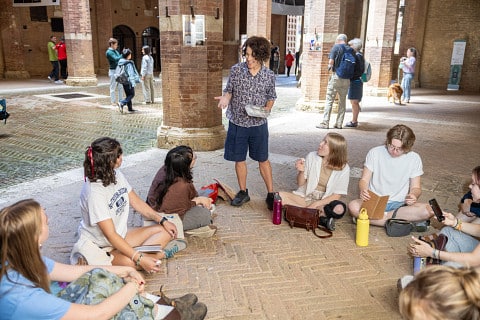
Then the group travels to Siena, a UNESCO World Heritage Site about the size of Flagstaff, where they spend the majority of their time.
“Siena is still surrounded by medieval city walls and is a rich example of sustainability,” Woods said. “Some locals have been growing gardens for hundreds of years—the same gardens, the same community, the same families. We meet with farmers, artisanal producers and people involved in sustainability efforts in the community.”
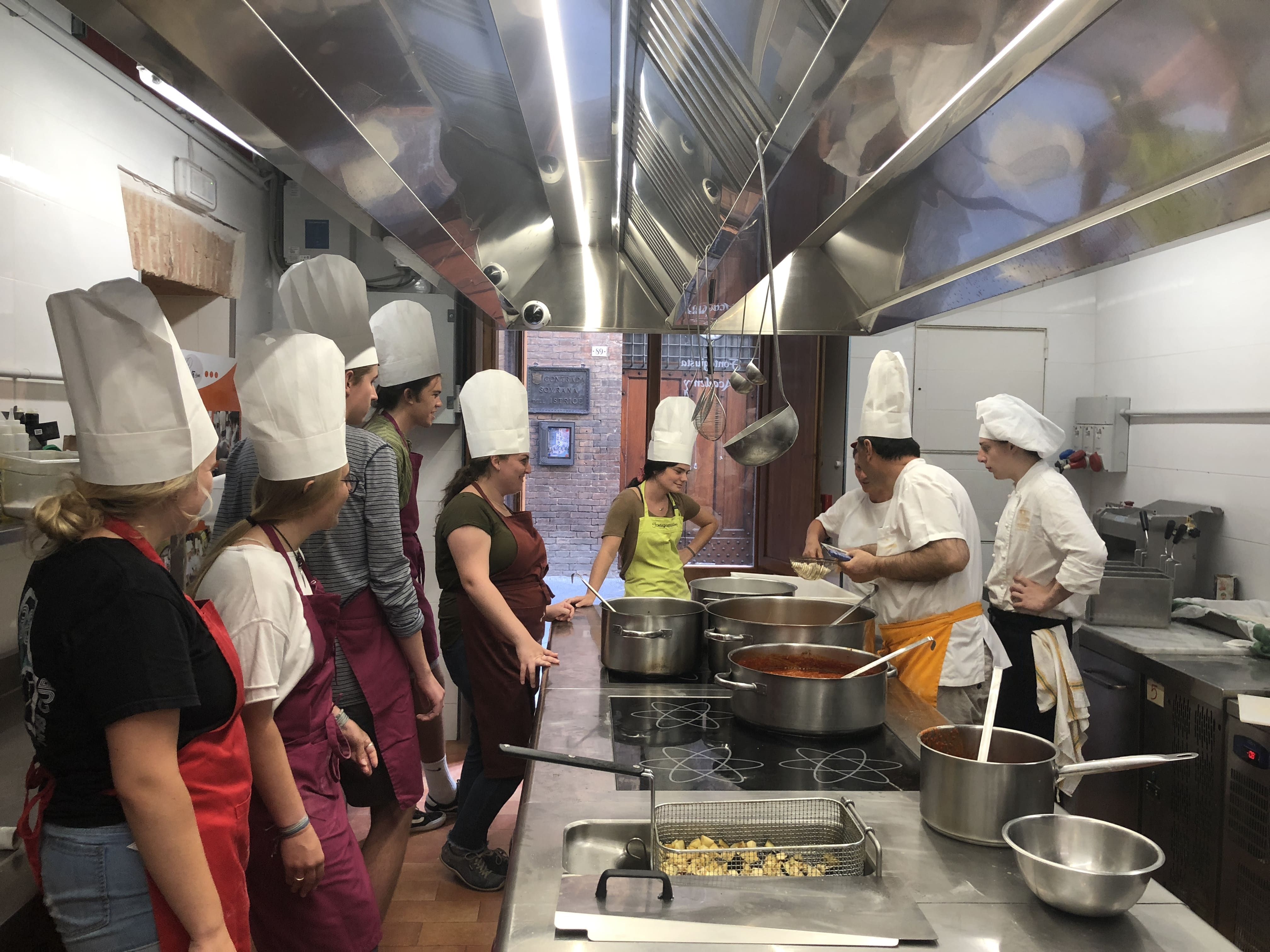
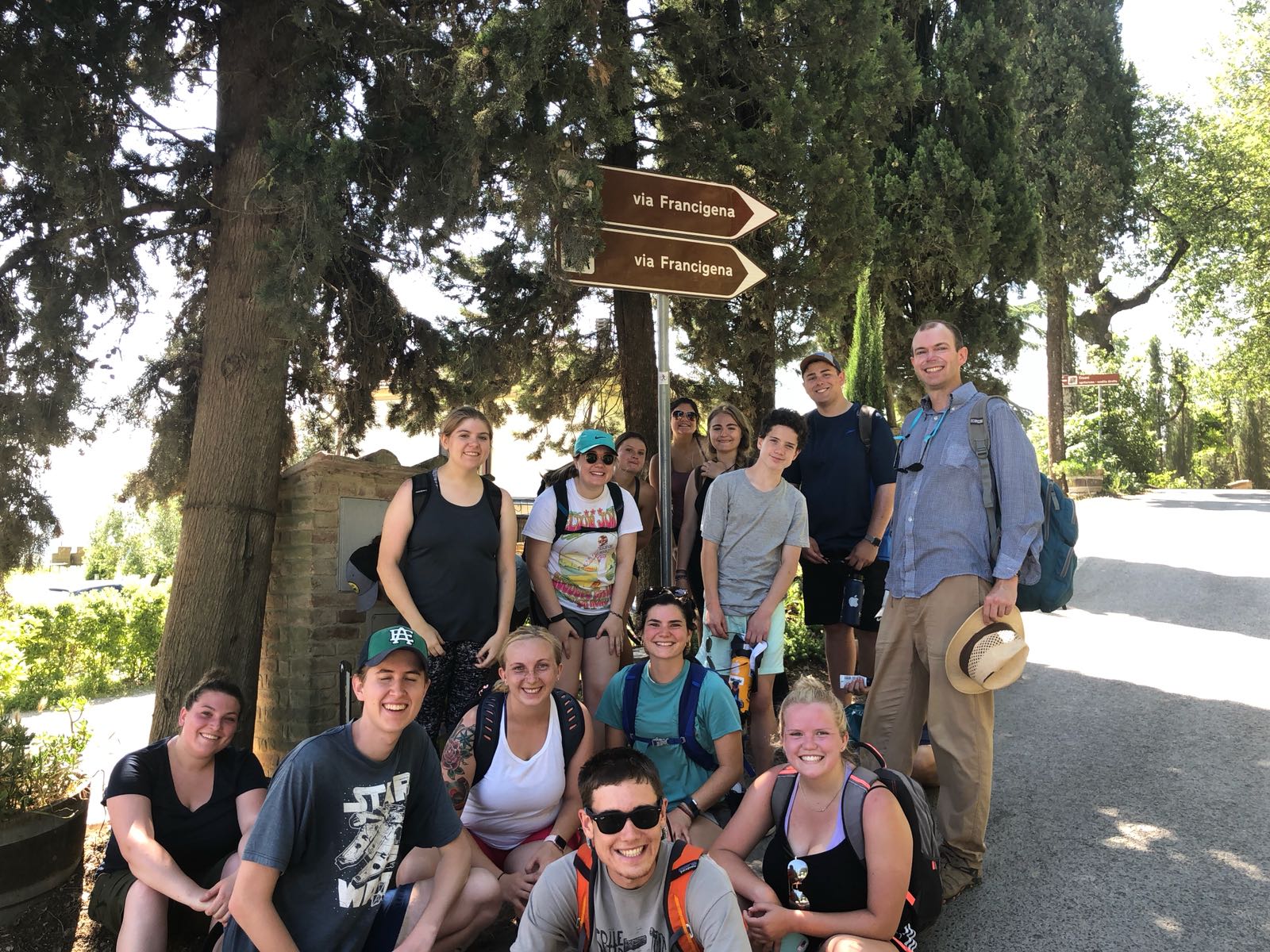
Woods said students spend time at open-air markets and visit several museums in the city to look at how cultural sustainability is managed. They also get to walk on the Via Francigena, a popular pilgrimage route in the late Middle Ages that winds from Paris to Rome and is now used primarily for ecotourism.
“It is all experiential learning,” Woods said. “After doing the online assignments that first week of class, we have all the background and preparation to understand Italian history and culture, as well as the pillars of environmental and cultural sustainability. Students get graded on their reflections on the fieldwork. They bring together their observations and theoretical materials in their required journals.”
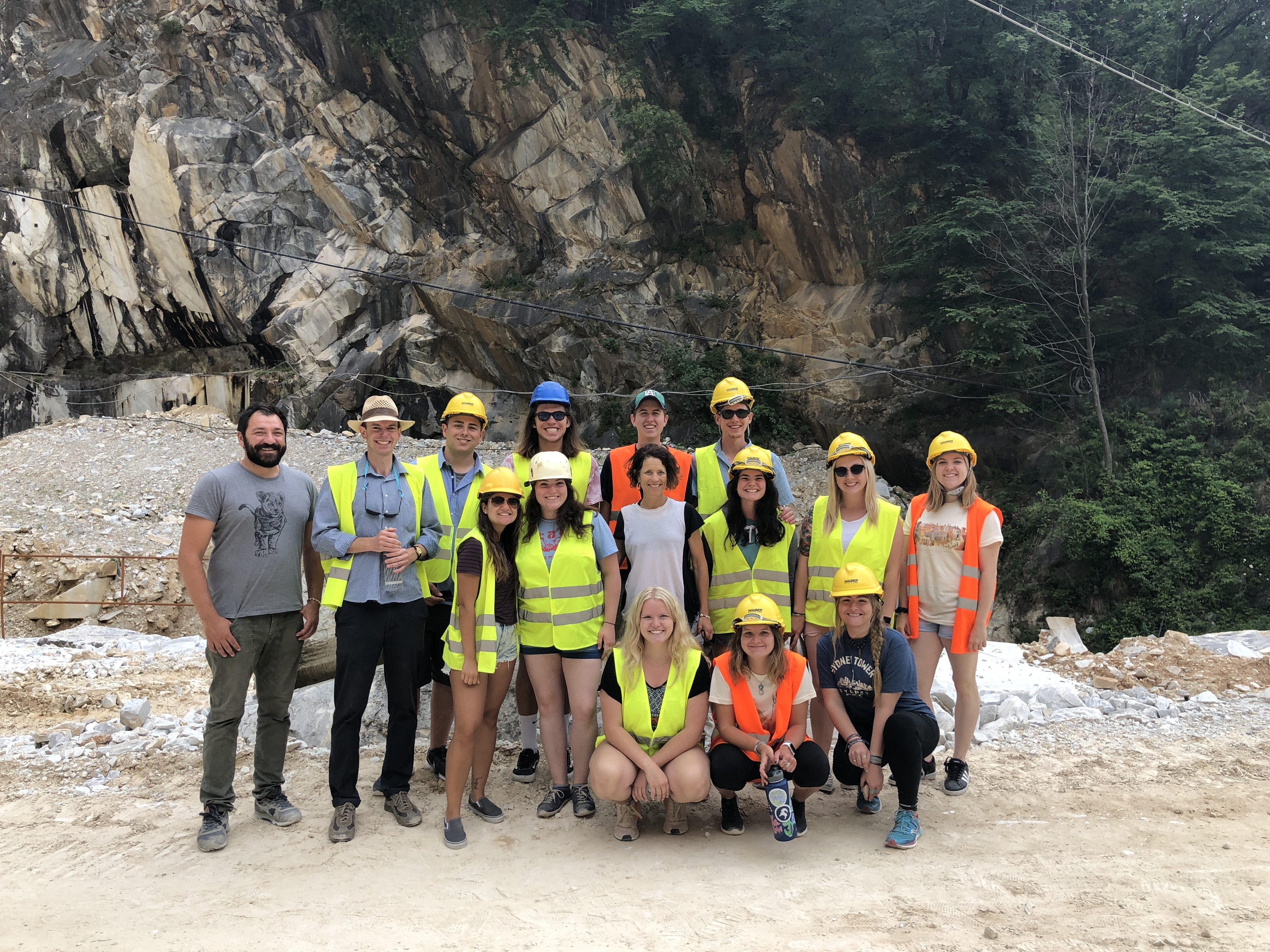
The program dates are set for May 22-June 27, and the class size is between 10 and 12 students. The registration cost includes tuition, international health insurance, lodging, several group meals, all transportation in Italy and entry to museums, monuments and field excursions.
“It is a life-changing experience,” Woods said. “A lot of people imagine Italy as a postcard-perfect place, and it does have very famous foods and aesthetic traditions, but it has weathered a lot of challenges over 2,000 years. In this journey, we study the culture, politics, environment, society, power and history together to really understand the peninsula and its resilience and gifts to the world.”
Students interested in enrolling in the NAU in Italy: Nature, Culture and Sustainability course can visit the NAU Education Abroad Office. The deadline to register is Feb. 16.
Want to study abroad but not sure how long you can commit to a program? Explore the different options, including weeklong programs offered through the Center of International Education.
 Mariana Laas | NAU Communications
(928) 523-5050 | mariana.laas@nau.edu